The Burglar Keeps Business Hours, Just Not Yours
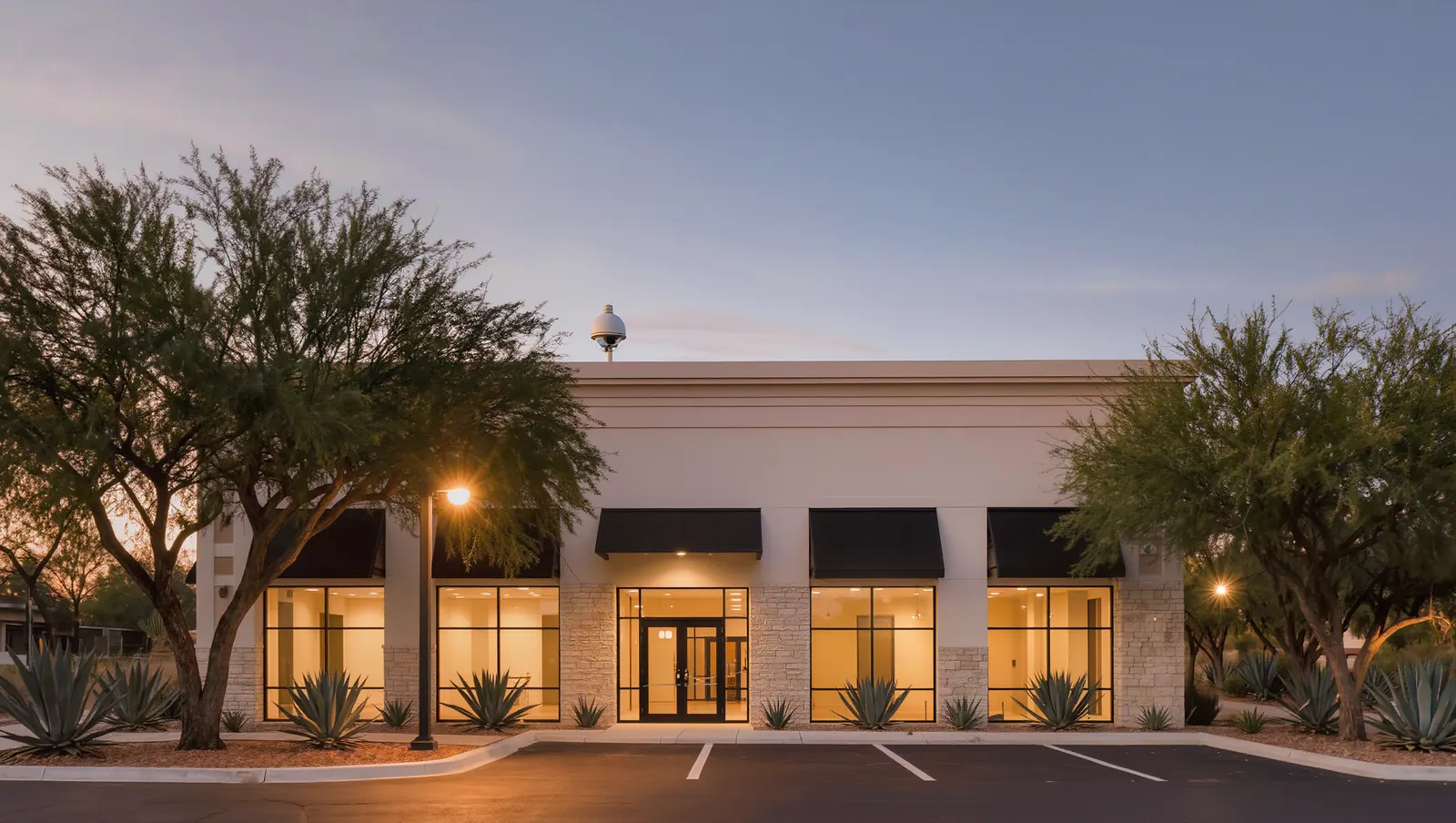
A house is empty a few hours a day. A business is empty most of the week. Do the arithmetic: a shop that opens at ten and closes at seven sits dark for fifteen hours every weekday and longer on Sunday. Anyone with an interest in your copper wire, your register, or your laptops learns that schedule faster than your newest hire does. Commercial security exists to cover those empty hours, and it is built differently from a house alarm because the building, the people, and the stakes are different.
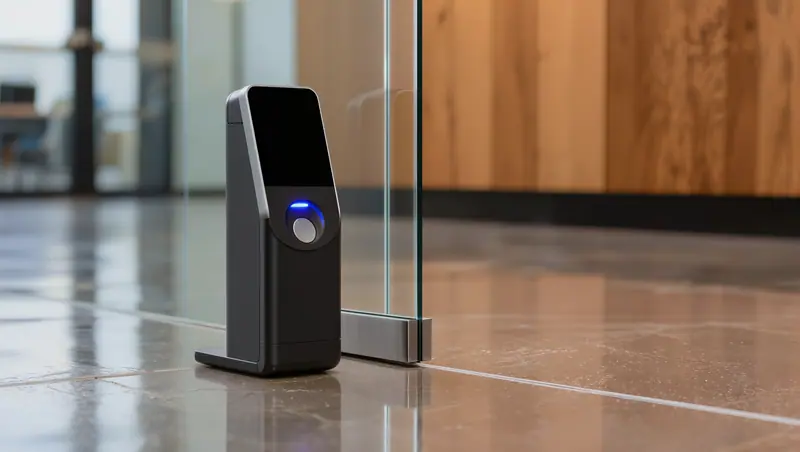
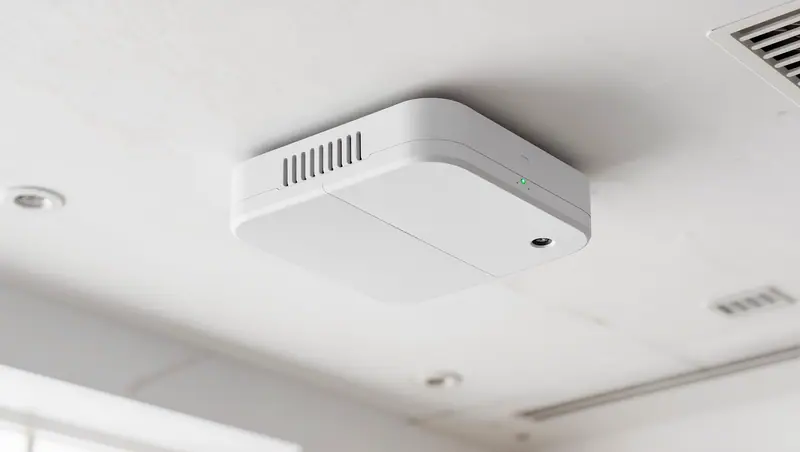
The parts are familiar. Door contacts watch every exterior door, including the one by the dumpster that someone always props open. Motion detectors cover the paths a person must cross to reach anything worth taking. Glass-break sensors listen to the storefront. The difference in a commercial job is the detail: heavy-duty contacts on roll-up and dock doors, detectors suited to high ceilings and summer heat, and zones labeled so the monitoring operator can tell the back office from the front display at a glance.
Good design starts with a walk-through, not a catalog. We look at how deliveries arrive, who closes, where the cash sits overnight, and which doors face an alley or an empty lot. A strip-center suite off Loop 410 and a standalone warehouse near I-35 need different answers. A system drawn for the actual building, anywhere across the San Antonio area, is also the one people bother to arm every night.
Opening and Closing Reports Are a Management Tool in Disguise
Every person who arms or disarms the system gets a personal code. That sounds like bookkeeping. It is one of the most useful things a business owner can buy. The panel records which code switched the alarm off at 6:12 a.m. and which code switched it on at 9:47 p.m., and that history can land in your inbox or on your phone without anyone writing it on a clipboard.
Then add schedules. If the building should be armed by ten and isn’t, a late-to-close alert reaches the owner or the manager on duty. If someone disarms at 2 a.m. on a Sunday, an out-of-schedule opening gets noticed instead of vanishing into a log. When an employee leaves, you delete one code. You do not rekey the building or wonder who still remembers the shared four digits taped inside the supply closet.
Reports also clear up the small mysteries that eat a manager’s week. Who left the back door unlocked? Did the cleaning crew really come Thursday night? Was anybody inside when the freight was signed for? The answers sit in the event history, timestamped, and nobody has to take sides or play detective over the coffee maker.
When an employee leaves, you delete one code. You do not rekey the building.
Panic and Hold-Up Buttons: Placement, Training, and Restraint
A hold-up button is a silent request for police during a robbery in progress. A panic button may be silent or audible and covers a wider range of trouble, such as a threatening visitor at a clinic front desk. Both send an officer with the lights on, which is the point and also the reason they need care. Good spots include under the counter where a hand can reach without a visible lunge, at the pharmacy window, in the manager’s office, and on a wireless pendant for staff who move around.
Training matters more than hardware. People press panic buttons to report a shoplifter who already left, a fender bender in the lot, or a dead walk-in cooler. None of those is a robbery. The fee schedule on San Antonio’s alarm permit application charges more for false robbery, hold-up, panic, and duress alarms than for false burglar alarms, and starts charging sooner. A fifteen-minute staff briefing at installation prevents a lot of awkward conversations later.
Duress codes deserve a look as well. An employee forced to open the store can enter a special code that disarms the keypad normally while quietly alerting the monitoring center. To the person standing behind them, nothing unusual happened. The operator, meanwhile, treats the signal as a crime in progress and follows the instructions you wrote for exactly that moment.
A Clinic, a Restaurant, and a Warehouse Walk Up to a Keypad
Partitioning is where commercial systems earn their keep. A medical or dental clinic can keep the medication room and the records room armed all day while the waiting room stays open. A restaurant can leave the office safe and the liquor storage armed while the kitchen preps for lunch. Each partition has its own users, its own schedule, and its own report, so the dishwasher’s code opens the back door and nothing else.
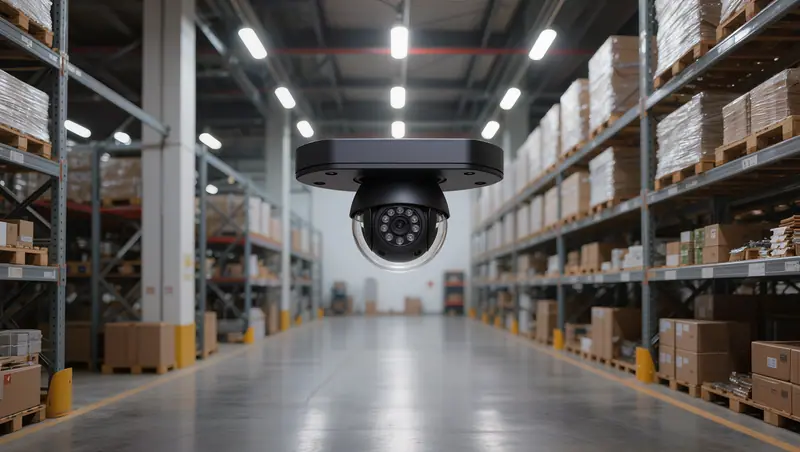
Warehouses bring their own physics. Ceilings run high, temperatures swing, birds wander in, and forklifts trip bargain motion detectors. The usual answer is a mix: beam detectors along long aisles, wide-gap contacts on overhead doors, and motion coverage at the office and the high-value cage rather than across the entire open floor. Many owners pair those zones with commercial video surveillance so an operator can look before anyone calls police.
Retail comes down to the storefront and the stockroom. Glass-break sensors and contacts on the front doors handle the smash-and-grab. The receiving door, the roof hatch, and the shared wall with the vacant suite next door deserve the same attention, because a determined burglar is under no obligation to use the front entrance.
The Permit, the Fees, and the Settings That Keep Police Interested
Inside city limits, San Antonio requires a permit for any burglar, panic, or fire alarm system under Chapter 25, Article IV of the city code. Commercial locations need separate permits for fire and security systems, and permits run for one year from the date of issue. Our San Antonio alarm permit guide covers the steps. Neighboring cities set their own rules, so a location in Schertz or Leon Valley gets checked on its own terms.
The larger issue is credibility. A guide published with support from the Justice Department’s community policing office estimated that 94 to 98 percent of alarm calls to police are false. That is why panels built to the ANSI/SIA CP-01 false alarm standard include an exit delay restart, protection for the user who arms and never leaves, and a short cancel window. It is also why 24/7 alarm monitoring with a verification call before dispatch is not a luxury. An alarm that cries wolf often enough gets treated like one.
Five Ways a Business Alarm Quietly Stops Working
Most business alarms that fail on the night of a break-in had already failed weeks or months earlier. Nobody noticed, because a security system that has stopped doing its job usually looks exactly like one that hasn’t. These are the patterns that show up again and again on walk-throughs of existing systems, and every one of them is cheap to prevent and expensive to discover.
- One shared code for the whole staff, so the event history means nothing
- A phone-line-only communicator that one cut wire silences
- No contact on the roll-up or dock door because it looked sturdy
- Panic buttons installed but never explained to the people beside them
- A call list that still names a manager who quit two years ago
Ideal for
- Retail shops and strip-center suites
- Medical, dental, and veterinary clinics
- Restaurants, bars, and coffee shops
- Professional and administrative offices
- Warehouses and light industrial buildings
- Auto shops, contractor yards, and equipment storage
- Salons, studios, and fitness centers