A Deadbolt That Keeps Notes
A metal key is an elegant technology with one flaw: it has no memory. It doesn’t know who has a copy, how many copies exist, or whether the roofer from 2022 still has the one you lent him. Every key ever cut for your door still works until you rekey, and most people never do.
A smart lock is a motorized deadbolt with a brain. It opens with a code, a phone, a fingerprint, or, on most models, a regular key as a backup. Each user gets a separate credential. The lock logs who opened it and when, and it can report that to your phone or to your security system. Delete a code and that person’s access is gone that minute.
Most of the value comes from that bookkeeping. Locking and unlocking are the same as ever. What changes is that you finally know who can get in, and you can change the answer from anywhere. For a household with three drivers, a dog walker, a cleaning service, and a grandparent who visits on Sundays, that is not a gadget. It’s a filing system for the front door.
Keypad, Phone, or Fingerprint: How the Door Recognizes You
Keypads are the workhorse. They work for guests without smartphones, for kids, and for the housekeeper, and they don’t care if your phone died. Look for a keypad that’s readable in direct sun, because many San Antonio front doors face it. Touchscreen keypads can show smudges over the most-used digits, so a model that lets you enter extra digits before or after the real code is worth having.
Phone access adds auto-unlock and remote control. It’s convenient but depends on your phone’s battery, its Bluetooth or Wi-Fi connection, and an app that behaves. Fingerprint readers are fast and handy for people who struggle with codes, though they can be fussier with wet or dirty hands, which, if you garden, is often.
Most households end up using a mix: fingerprint or phone for family, codes for everyone else, and a physical key hidden somewhere wiser than the welcome mat. We help you decide based on who actually comes through your door in a typical week, not on which feature looked best in a showroom video.
The Lock Is Only as Strong as the Screws Behind It
Lock picking makes good television. In real break-ins, a door is far more likely to be kicked or pried. When a door gives way, it’s usually the frame that splits around the strike plate, not the bolt that snaps. A beautiful smart deadbolt fastened with short screws into soft trim is still a soft door, just one with a nicer app.
We fix that at the same time we install the lock. That means a reinforced strike plate, long screws that reach the wall framing behind the jamb, and a bolt that fully extends into the frame. Doors that sag, which is common when clay soils shift under a slab, often leave the bolt rubbing or only partially thrown. A motorized lock will stall on that, so we adjust the door before we trust the lock.
Older homes in historic neighborhoods like Monte Vista bring their own puzzles: thick, original doors, odd backsets, and hardware owners want to preserve. There’s usually a way to add a smart deadbolt without carving up a hundred-year-old door, and we’ll tell you if there isn’t. Sometimes the right answer is to leave the front door alone and put the smart lock on the side entry the family really uses.
Lock picking makes good television. In real break-ins, a door is far more likely to be kicked or pried.
Codes for the Dog Walker, the Plumber, and the New Tenant
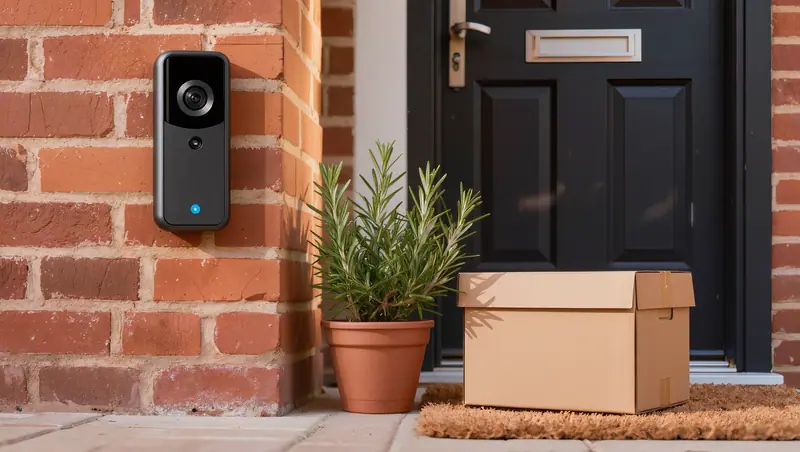
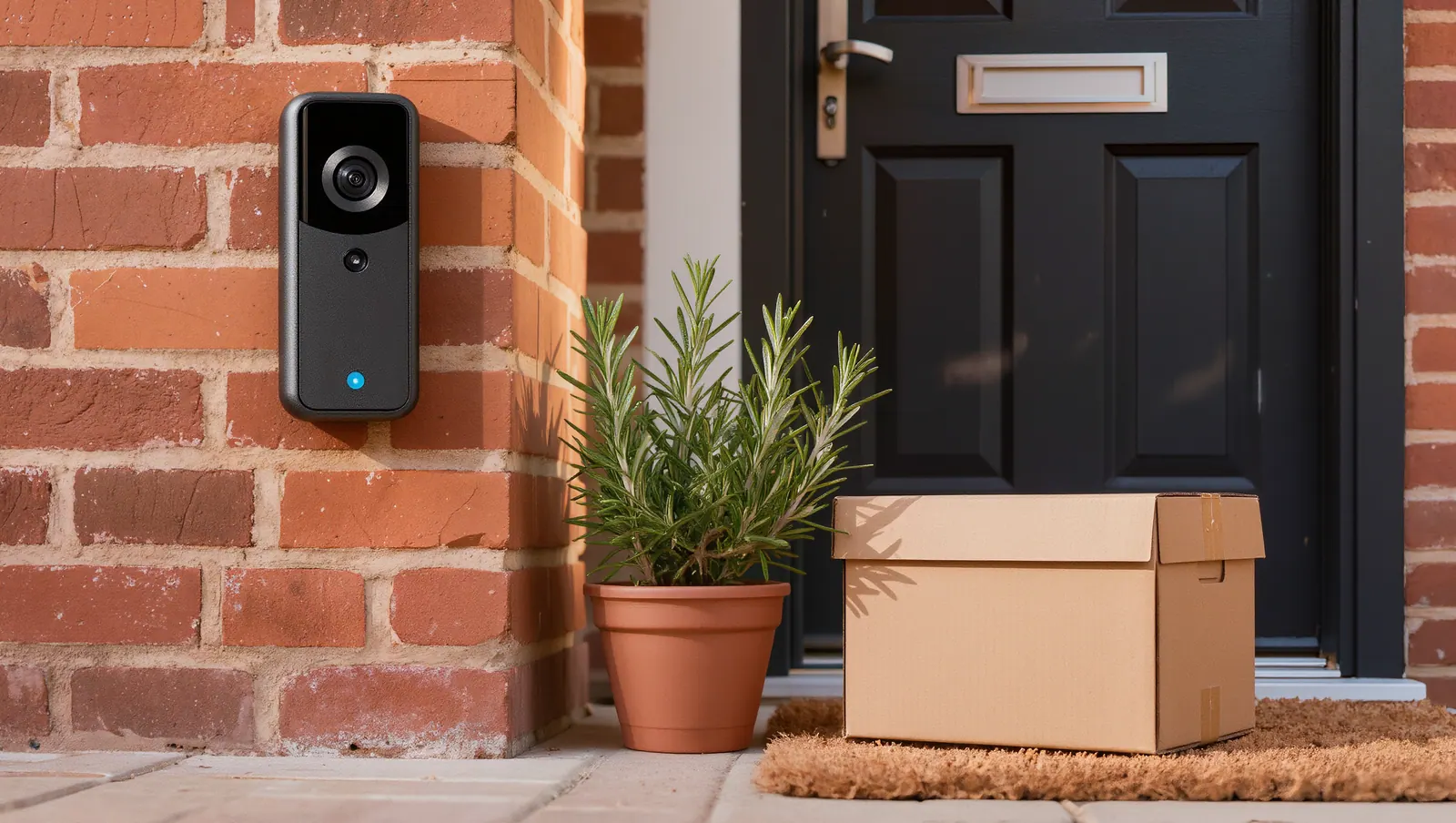
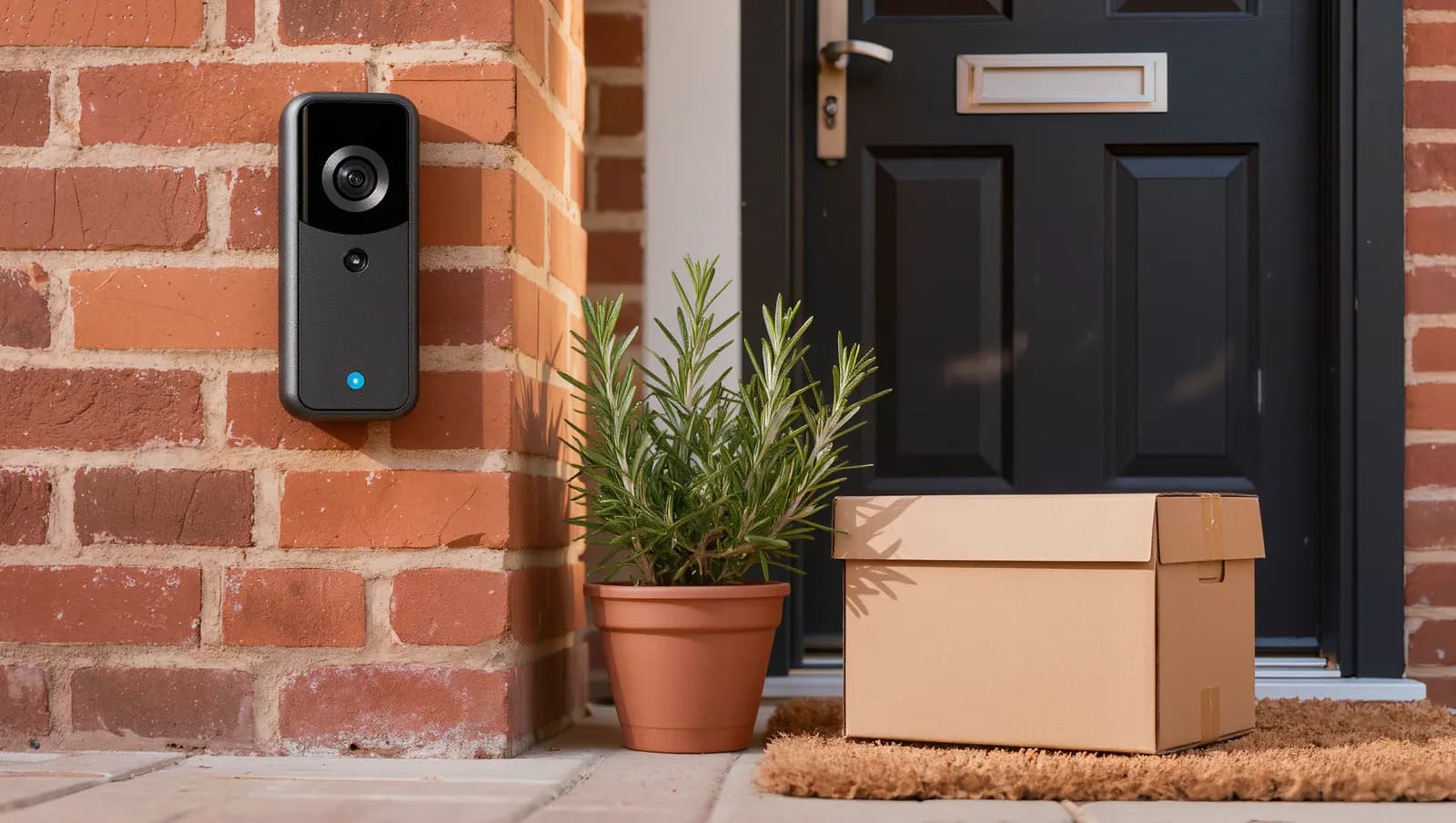
Good smart locks let you schedule codes. The dog walker’s code works weekdays from 11 to 2. The weekend guest’s code expires Sunday night. The plumber gets a one-time code, and you get a notice when he uses it. Pair the lock with a video doorbell and you can see who’s at the door before you let them in remotely.
For landlords, the math is simpler still. Texas Property Code section 92.153 requires certain security devices on rental homes, including a keyed deadbolt or doorknob lock and a keyless bolting device on exterior doors, and the law requires locks to be rekeyed after tenants change. A keypad deadbolt makes the rekeying part a few taps instead of a service call. Our Texas rental security device law guide covers the full list.
Short-term rentals and family properties in close-in neighborhoods like Tobin Hill are a natural fit for codes. Every guest gets their own, it expires at checkout, and nobody has to mail keys back or leave them in a lockbox that half the internet knows how to open. When something goes wrong, the log shows which code was used and when.
- Separate codes for each person, never one shared code
- Schedules for recurring visitors
- One-time codes for contractors
- Delete codes the day a relationship ends
Batteries, Afternoon Sun, and the Morning the Lock Says No
Smart locks run on batteries, and batteries are the most common reason one misbehaves. Heat and cold both shorten their life, and a lock on a west-facing door in a Texas summer works harder than one in a shaded entry. Good locks warn you weeks before the batteries die. Systems tied to your alarm panel send that warning to you and to us.
If the batteries do die, most smart locks offer a backup: a physical key, a set of terminals for a 9-volt battery, or both. Know which yours has before you need it. We show every household where the backup is during the install, and we suggest keeping a key somewhere off-site, such as with a trusted neighbor.
The best setup connects the lock to your home security system. Arm the alarm and the doors lock. Unlock with your code and the alarm disarms. Add smart home automation and the entry light comes on at the same time, which is a small luxury you’ll get used to quickly.
Ideal for
- Families with kids who lose keys
- Homes with regular dog walkers, cleaners, or caregivers
- Landlords and short-term rental owners
- Anyone who has lent out a key and never gotten it back
- Older adults who find keys hard to manage
- Homeowners pairing locks with an alarm system