The Bend They Used to Call Sauerkraut
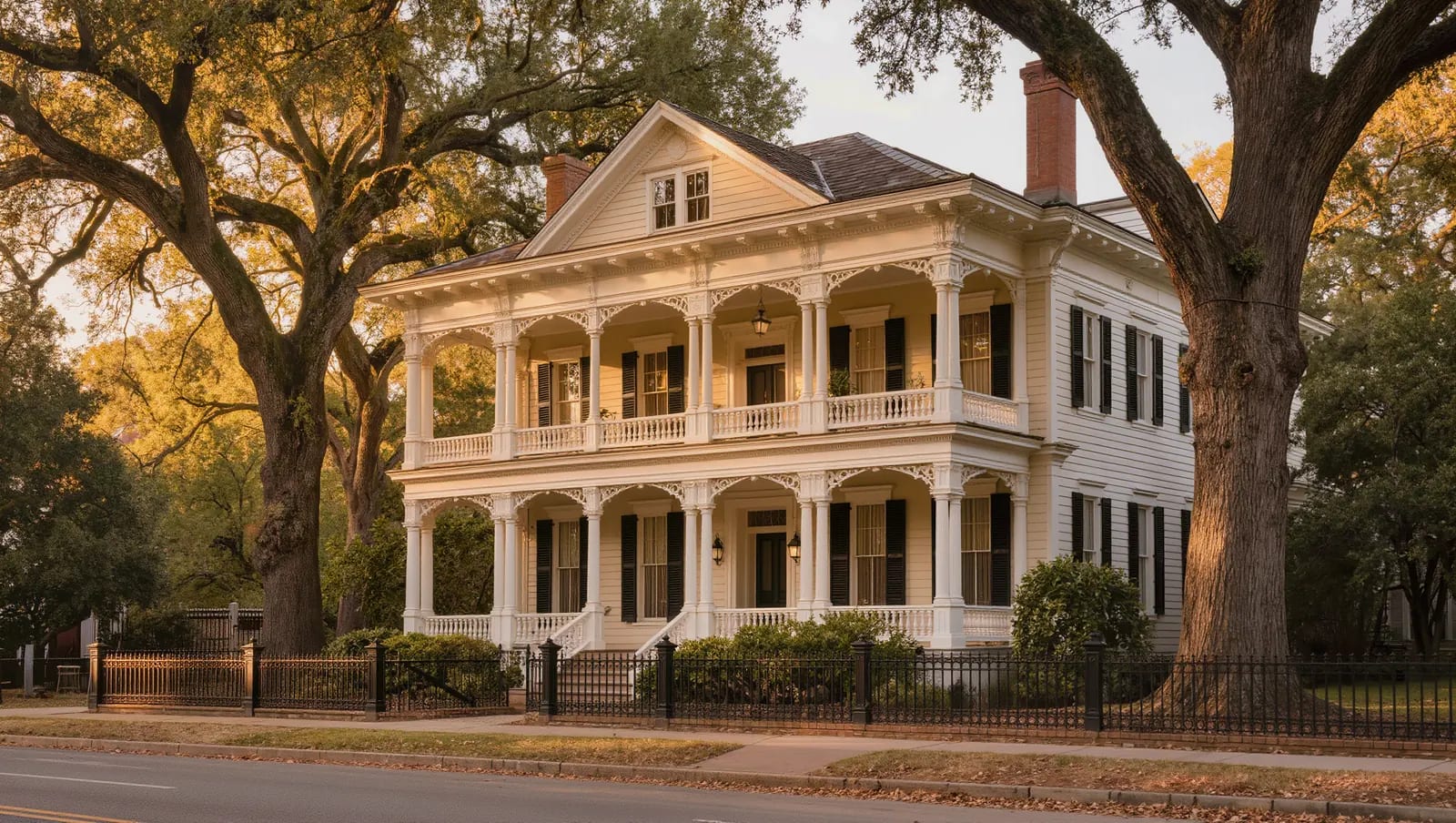
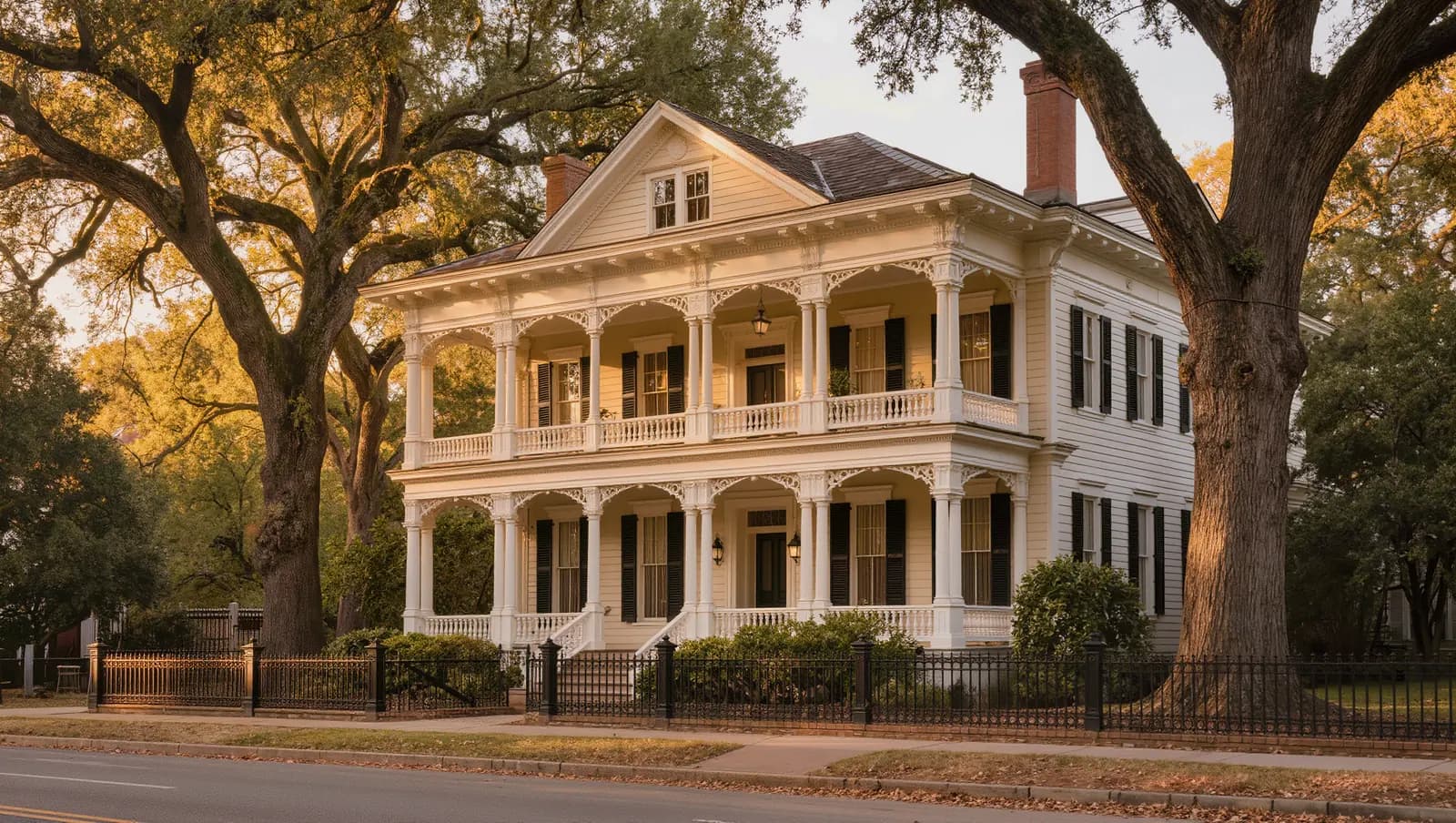
In the second half of the 1800s, German settlers built along the river just south of downtown, and many of San Antonio’s German business families followed. The Groos, Joske, Kalteyer, and Steves families all built houses here. The rest of the city, never shy with a nickname, took to calling the area Sauerkraut Bend. The houses outlasted the joke.
By the 1960s some of the grand houses had seen harder years. In 1967 Walter Nold Mathis restored Villa Finale and went on to partly restore fourteen other properties. In 1968 King William became the city’s first historic district and, by most accounts, the first residential historic district in Texas. The National Register of Historic Places followed in 1972, and the neighborhood has been one of the oldest-looking corners of San Antonio ever since.
Living on a Street People Visit on Purpose
Most neighborhoods are passed through. King William is visited. People arrive on foot to admire the houses, which is flattering and almost always harmless. It also means unfamiliar faces on the sidewalk are normal here, so the usual instinct, noticing a stranger, no longer works as an alarm. Your system has to do the noticing instead.
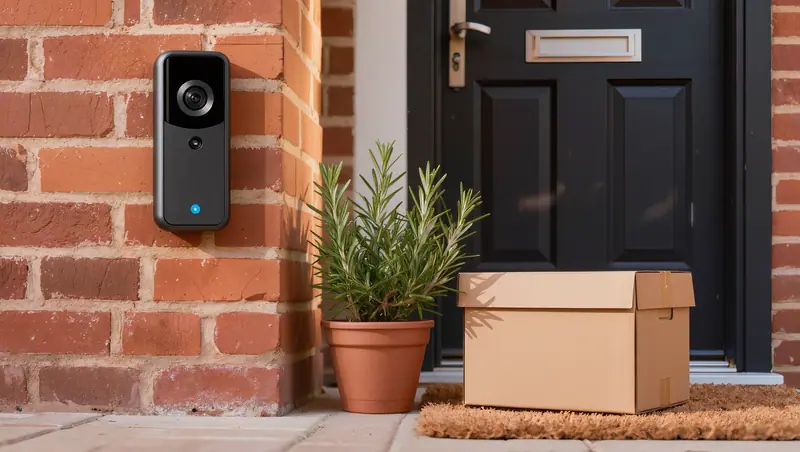
A video doorbell is the simplest fix. It records who comes up the walk, as opposed to who strolls past it, and that difference is the whole game on a tour route. Add one camera on the side gate or the carriage drive and most of the remaining equipment can live indoors, out of sight and out of the photographs.
Cameras near a public sidewalk raise fair questions about what you may record. Our plain-English summary of Texas security camera laws covers the basics. The short version: record your own property, mask what isn’t yours, and never point a lens at a neighbor’s window, however curious you are about their renovation.
Crime report · Not available at neighborhood level
No verified crime count exists for King William alone, so we show none rather than guess.
Reporting agency: San Antonio Police Department
The San Antonio Police Department does not publish a crime tally for the King William Historic District, and we could not verify a figure for these few blocks from any official source. Commercial crime-map sites will happily produce one, but their methods are their own business. For offense data near your address, ask SAPD, which polices the district as part of the City of San Antonio.
Permission Comes Before the Drill
Because King William carries a historic zoning overlay, exterior modifications and repairs generally need a Certificate of Appropriateness from the city’s Office of Historic Preservation. That covers work in side and rear yards, not only the parts that face the street. Starting without one can bring a stop work order, and nobody enjoys explaining that to a contractor.
We know of no city rule written for doorbells or cameras specifically, and we won’t invent one to sound authoritative. We plan as if anything mounted outside deserves a conversation with the preservation office first. In practice that means few devices, small ones, mounting points that won’t scar original materials, and as much of the system as possible tucked inside.
The same caution applies inside the fence. The city’s review reaches rear yards, so a floodlight on the carriage house or a camera on the back gallery is not automatically exempt because the street can’t see it. Wireless sensors, an indoor keypad, and a siren mounted in the attic avoid most of the questions entirely, which is usually the least painful kind of compliance.
What 78204 Looks Like on Paper
ZIP 78204 reaches well beyond the historic district, so its census figures describe a much wider area than King William Street. With that caveat, the 2023 American Community Survey estimates about 11,944 residents in the ZIP, a median household income a little under fifty-five thousand dollars, and a median home value in the low hundred-forty-thousands.
Those medians sit oddly beside the mansions, and that is the point. The ZIP mixes landmark houses with modest cottages and apartments. Owner-occupancy runs at 47.7 percent, and the median age is 36.2. Translated into daily life: plenty of your neighbors rent, a fair number arrived recently, and fewer people than you’d think recognize your car.
None of that makes King William a risky place to live. It makes it a place where the old informal security, neighbors who knew each other for decades, is thinner than it once was. A monitored alarm replaces some of that attention, and a camera on the side gate supplies the memory that a busy street lacks.
A House That Survived This Long Shouldn’t Lose to a Pipe
Burglary gets the attention, but old houses are hurt more often by water, heat, and fire. A slow leak under an upstairs bath or a frozen line during a hard winter can ruin original floors faster than any intruder. Old wiring and old chimneys deserve a smoke detector that calls someone, not one that beeps at an empty house.
Monitored water and freeze sensors report those problems to a central station, which calls you while the damage is still small. Paired with 24/7 alarm monitoring, the same system watches for the intruder, the smoke, and the leak, with one keypad to learn and one number that answers. When you travel, it keeps watching a house that has already outlived several generations of owners.
If your house sits closer to Southtown or over in Lavaca, the details change and the method doesn’t. Every job begins with a free security assessment. We walk the property with you, note anything the preservation rules may touch, check the condition of any existing equipment, and put the whole plan in writing before you commit to a thing.
Landmarks we know well
- Villa Finale
- Steves Homestead
- King William Street
- King William Historic District (National Register, 1972)