The Biggest Door on the House Is the One Left Open
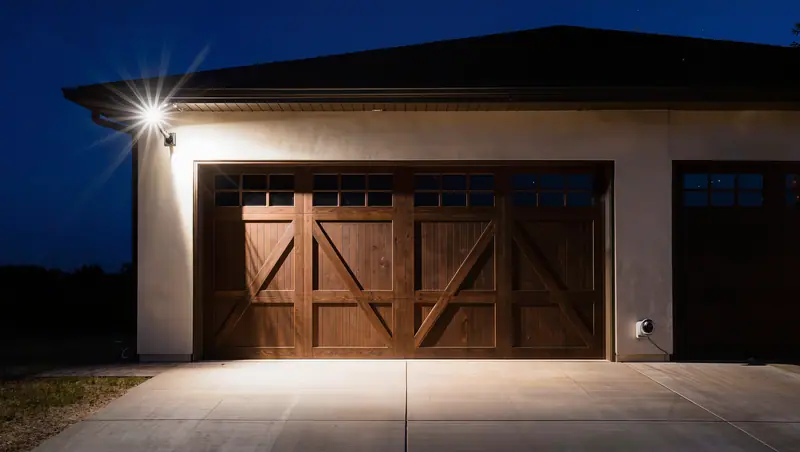
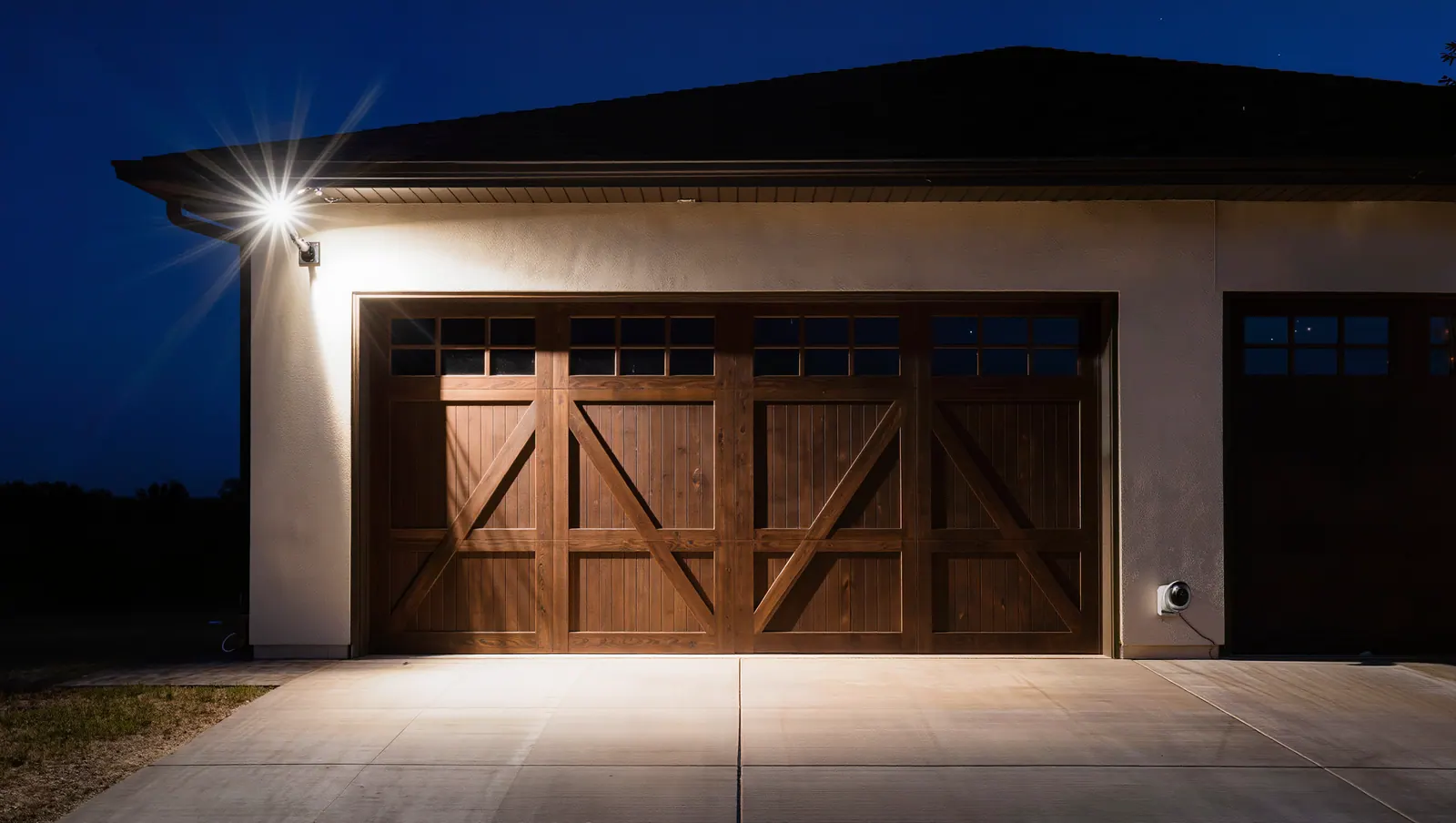
Drive through almost any San Antonio subdivision on a weekday evening and count the open garages. Some people are home and puttering. Some left for dinner and forgot. A few left in the morning and won’t find out until they pull in at six. Every one of them is a display window: bikes, a lawn mower, a toolbox, a second refrigerator, and an interior door into the house.
Open garages are an invitation to the opportunist, the person who doesn’t plan a burglary so much as notice one. Walking in, taking a bike, and walking out takes about as long as a commercial break. Our article on how burglars choose a house explains why easy access matters more to most thieves than what’s inside.
Smart garage control solves a simple problem: you can’t see the door from where you are. Once you can, and once the house can close it for you, the problem mostly disappears. It’s one of the least glamorous upgrades we install and one of the most used. People who have it check the garage the way they check the weather.
Working With the Opener You Already Have
Most garages don’t need a new opener to become smart. A controller wires into the opener’s wall-button terminals, the same two wires your wall switch uses, and a sensor on the door reports whether it’s open or closed. Some sensors detect the door’s tilt; others use a contact like the ones on your windows. The controller connects to your security panel or home network, and suddenly the door has an app.
Some newer openers have connectivity built in, but their apps often don’t talk to anything else. Tying the door to your alarm panel instead lets it join the same rules as your locks and lights. We check your opener’s age and model during the visit, because some older units use different wiring and some newer ones need a compatible adapter.
Safety comes first with a door this heavy. Remote closing should only happen with working photo-eye sensors at the bottom of the track, and a good setup flashes a light and sounds a tone before the door moves, so nobody walks under it unaware. If your safety sensors are misaligned or missing, we’ll tell you before we connect anything.
The Door From the Garage Into the Kitchen Is the Real Prize
Here’s the part people overlook. Once someone is inside your garage, they’re standing at a door into the house that’s often less sturdy than the front door and frequently left unlocked. They’re also out of sight of the street, with time to work. Treat that interior door like an exterior one: a solid door, a real deadbolt, and an alarm contact.
Then there’s the remote clipped to your sun visor. A car parked in the driveway with a garage remote inside is a key to the house sitting behind a pane of glass. Car prowlers know that. Our guide to vehicle burglary and catalytic converter theft covers the driveway side of the problem. Smart control lets you lock out the old remotes during vacations or simply use your phone instead.
When garage control is part of a monitored home security system, the garage door, the interior door, and a motion sensor inside the garage all report as zones. That’s three chances to catch someone before they reach the kitchen, and the central station sees them in order, which tells the operator a clear story about where the intruder is heading.
A garage remote in a parked car is a house key sitting behind a pane of glass.
Deliveries, Teen Drivers, and Other Reasons to Open It From Your Desk
Remote access has everyday uses that have nothing to do with burglars. Let in the appliance repair technician without leaving work. Open the garage for a delivery that shouldn’t sit on a hot porch. Let your parents in to drop off the casserole. Then watch it close and confirm it did.
Families with new drivers get a quieter benefit. You’ll see when the garage opened and closed, which is to say when the car came home, without sending a single “where are you” text. Add a security camera inside the garage and you can see what came in with it, including the dent in the bumper nobody has mentioned yet.
Military families and other commuters around Joint Base San Antonio–Randolph, in places like Schertz and Universal City, often keep long or irregular hours. A garage that closes itself at night and reports when it opens means one less thing to remember at the end of a long shift, and one less reason to call a neighbor to go look.
- Remote open and close from your phone
- Alerts when the door is left open too long
- Automatic close on a schedule or when the alarm arms
- A history of every open and close
- Temperature alerts for garages with water heaters
Garages in a Texas Freeze and a Texas August
Many San Antonio homes keep the water heater, a washer, or a utility sink in the garage, which makes the garage door a plumbing decision. During the February 2021 storm, the city dropped to 9 degrees, and a garage door left open even for an afternoon in that kind of weather can freeze exposed pipes. A garage temperature sensor sends an alert well before that happens.
Summer brings the opposite. A closed garage in August turns into an oven, and anything stored there, from paint to batteries to a second refrigerator, works harder. Some homeowners crack the door a few inches for air, which doubles as an invitation for anyone who can fit a hand underneath. Smart control lets you vent on a schedule and close it fully before dark.
Storms also cut power. Every opener has a manual release cord so you can lift the door by hand in an outage, and you should know where it is. Folding the garage into smart home automation and pairing it with freeze and water monitoring turns the garage from a blind spot into one more room the house watches.
Ideal for
- Households that routinely forget to close the garage
- Homes with a water heater or washer in the garage
- Families with new drivers
- Homes that receive large or temperature-sensitive deliveries
- Shift workers and military families with irregular hours