A Siren Alone Is a Message Addressed to Nobody
Unmonitored alarms rely on a theory of human nature that does not hold up. The theory says neighbors will hear the siren, assess the situation, and call police. In practice, people assume it is a false alarm, a cat, or somebody else’s problem, and they are usually right, which is exactly why they stop paying attention. A siren still scares off some intruders. It does not summon anyone.
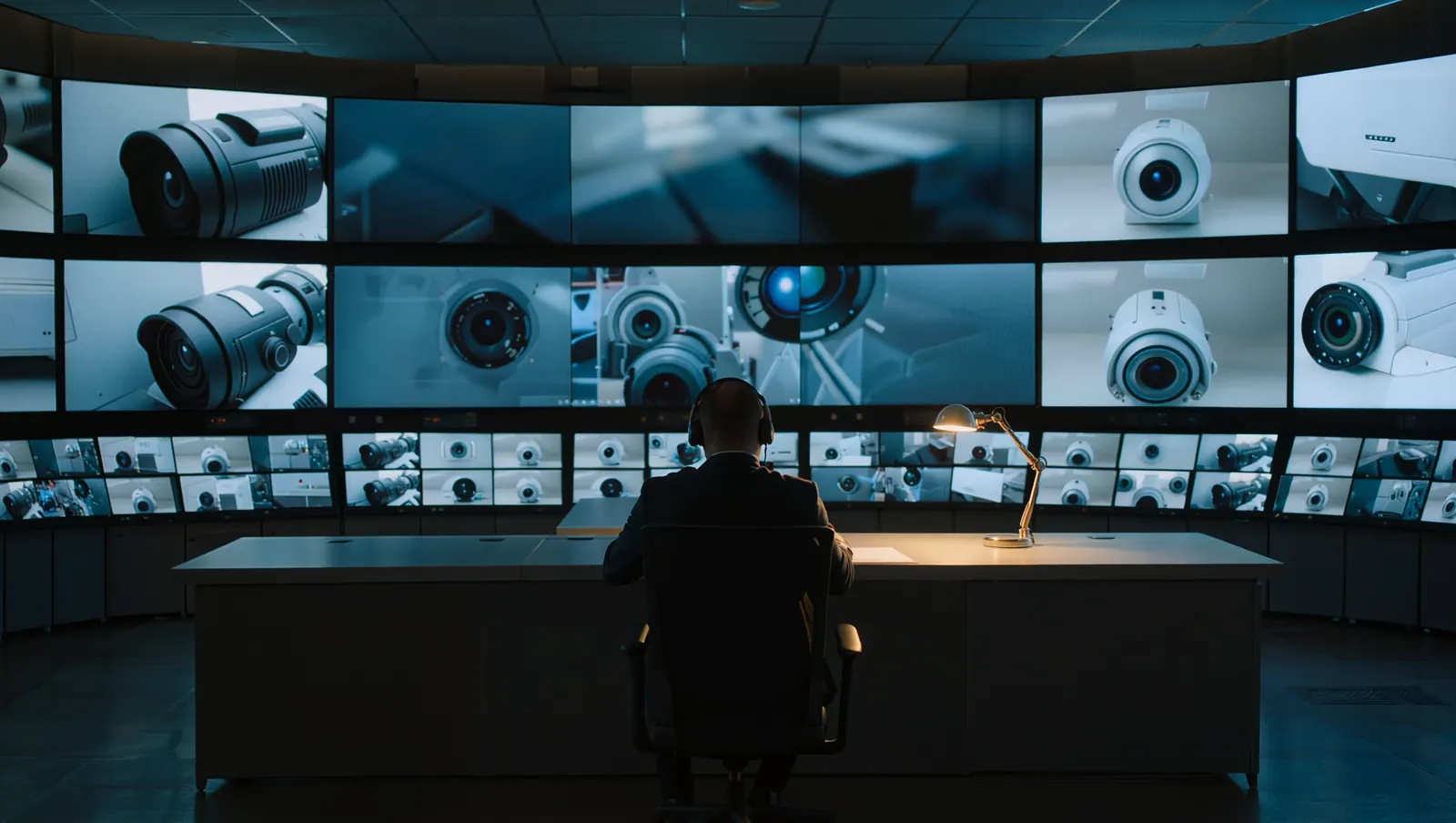
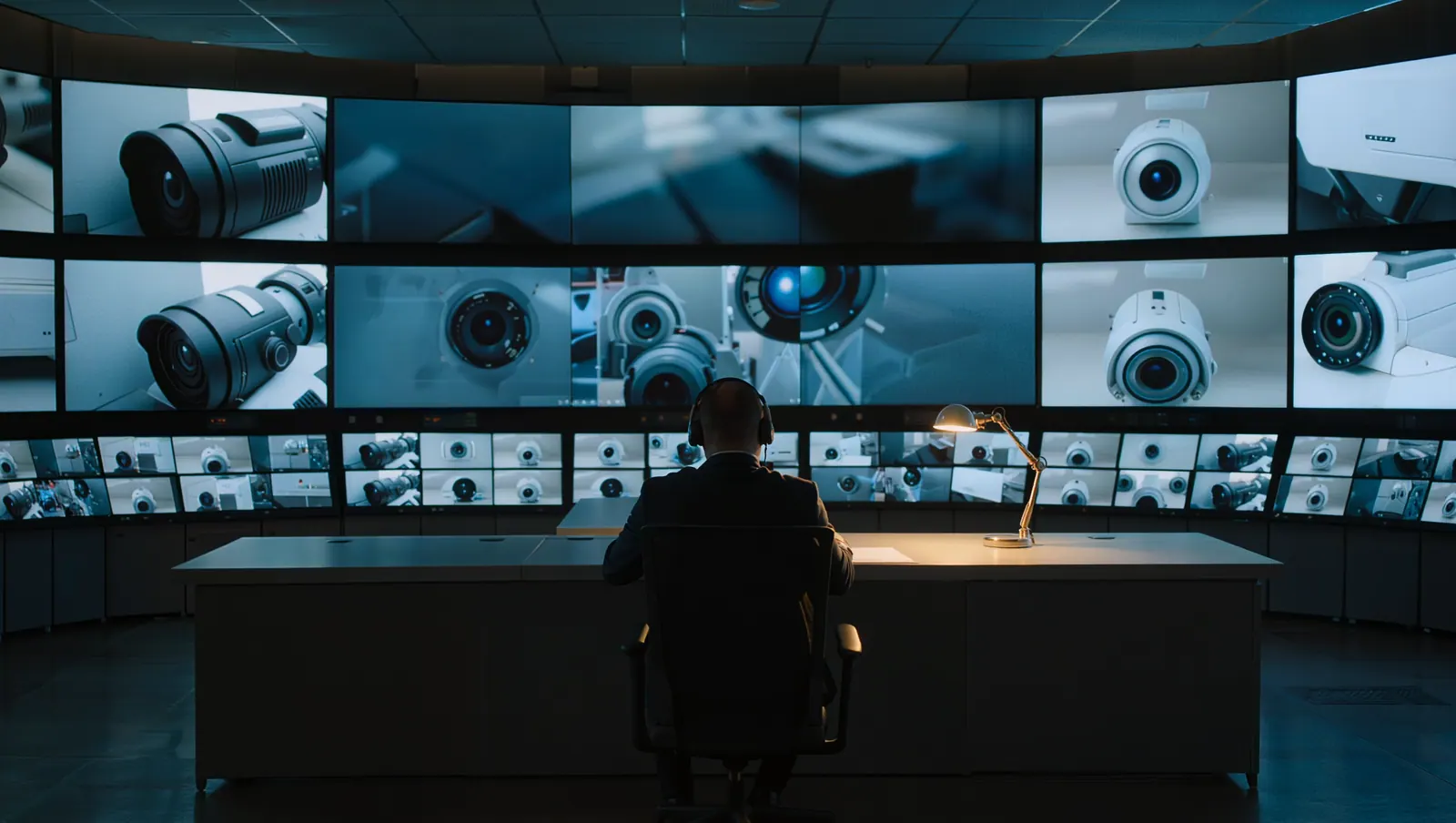
Monitoring closes that gap. When a sensor trips and the system is armed, the panel sends a coded signal through its communicator to receivers at a central station. An operator’s screen shows the account, the zone, the type of event, the contact list, and your written instructions. The operator then follows a procedure: verify, dispatch if appropriate, and notify the people on your list. All of that happens in the time it takes a neighbor to decide whether to put on shoes.
Monitoring covers more than burglary. Panic and hold-up buttons, smoke and heat detectors, carbon monoxide, water leaks, and low temperatures all report through the same path. For a home security system, that means a fire gets reported while you are at work. For a business security system, it means a panic button actually reaches someone.
A siren still scares off some intruders. It does not summon anyone.
What a UL Listing on a Central Station Is Supposed to Tell You
UL 827 is the standard for central-station alarm services. It covers monitoring centers that handle fire and burglar alarm signals, along with residential monitoring. Centers certified under it are built, powered, staffed, and operated to written requirements, and they are subject to ongoing audits rather than a one-time inspection. That is the difference between a professional monitoring center and a box that forwards alarms to somebody’s cell phone.
When you shop for monitoring, ask which central station handles your signals and whether it holds a UL listing for the type of service you need. A legitimate provider will tell you without hesitation. Commercial fire alarms, banks, and some insurance policies may require listed monitoring, so it is worth knowing before an inspector or underwriter asks. Our article on how to vet a Texas security company lists more questions worth asking.
Phone Line, Internet, or Cellular: How the Signal Gets Out
An alarm is only as reliable as its path to the central station. Older systems dialed out over a landline, which is easy to cut and increasingly rare. Internet communicators are fast but share the fate of your router and your service provider. Cellular communicators avoid both problems and are the standard choice today. Dual-path setups use cellular and internet together, so if one path fails the other carries the signal, and the central station is told the moment either one goes quiet.
Supervision is the underrated feature. A supervised communicator checks in on a schedule, and if it misses, the station knows the path is down. Without supervision, a dead communicator looks fine until the night it matters. That happened on a very large scale when AT&T shut down its 3G network on February 22, 2022, and alarm panels with 3G radios lost their cellular connection. Many of those panels still hang on walls today. If you have one, a system takeover or communicator upgrade is the fix.
Verification Is How an Alarm Keeps Its Credibility
Police departments have good reason to be skeptical of alarm calls. A problem-oriented policing guide supported by the U.S. Justice Department’s community policing office estimated that 94 to 98 percent of alarm calls are false, most caused by user error, weak equipment, or poor installation. Every false dispatch costs an officer’s time and, in many cities, costs the alarm owner a fee.
Verification is the answer. Before requesting dispatch on a burglary alarm, operators try to reach the premises and contacts to confirm the event, and video or audio verification can add evidence that a person is actually present. The ANSI-accredited TMA-AVS-01 alarm validation standard adds a scoring scheme that lets a monitoring center tell 911 how strongly an alarm is confirmed, from no call needed up to a confirmed threat to life. Fire alarms are handled differently and dispatched promptly, because nobody should be on hold during a fire.
Inside San Antonio city limits, every burglar, panic, and fire alarm system needs a city permit, renewed each year, and repeat false alarms bring fees. Activations from systems without a valid permit are billed as well. Suburban cities write their own ordinances, so the rules depend on the address. Our San Antonio alarm permit and false alarm guide explains how the city’s program works, and we help new customers get the paperwork right on day one.
Your Call List Is Part of the Equipment
A monitoring center can only follow the instructions it has. If the first contact on your list moved to Denver, the second changed numbers, and the passcode is a pet’s name nobody remembers, the operator’s careful procedure ends in a series of unanswered calls. Review the call list whenever someone moves, changes jobs, or leaves the company. It takes five minutes and makes every other part of the system work better.
Testing matters too. Put the system on test with the central station, trip a few sensors, and confirm the signals arrived. Then take it off test. We walk customers through the routine at installation and during service and maintenance visits. Monitoring works the same whether you are in Boerne, the San Antonio metro, or anywhere in between, but the instructions have to describe your property, not a template.
Ideal for
- Homeowners who travel or work long hours
- Small businesses that sit empty overnight
- Owners of existing systems with outdated communicators
- Vacation homes, rentals, and second properties
- Commercial buildings that need monitored fire alarms
- Clinics, pharmacies, and retailers with panic buttons