Texas Law Already Wrote the First Page of Your Security Plan
Apartment owners in Texas don’t start from a blank page. Subchapter D of Chapter 92 of the Texas Property Code spells out security devices a landlord must provide at the landlord’s expense while a tenant is in possession. Each exterior door needs a keyless bolting device and a door viewer, along with a keyed dead bolt or a keyed doorknob lock. Exterior sliding glass doors need a pin lock plus a handle latch or a security bar.
The same subchapter requires the landlord to rekey the locks after each tenant turnover, no later than the seventh day after the turnover date. On a large community with steady move-outs, that is a standing workload. It is also the strongest argument for electronic credentials on the doors and gates you control, because a canceled credential needs no locksmith. Our plain-English summary of the Texas rental security device law covers the details.
None of this is legal advice, and the statute has exceptions, definitions, and tenant remedies that matter. Treat the code as a floor, then build the rest of the plan on what is actually happening at your property: which doors get forced, which gates get propped, and which parking rows produce the most police reports. Compliance keeps you out of court. It does not, on its own, keep anyone out of a building.
Gates Keep Honest People Honest, Which Is Still Worth Something
A perimeter gate will not stop a determined intruder. It will reduce casual traffic, cut-through drivers, and the general sense that anyone can wander in, and residents notice when it is broken. The weak points are predictable: tailgating behind a resident’s car, gate arms that stay up for weeks after a bump, and a keypad code that has been the same since the property opened.
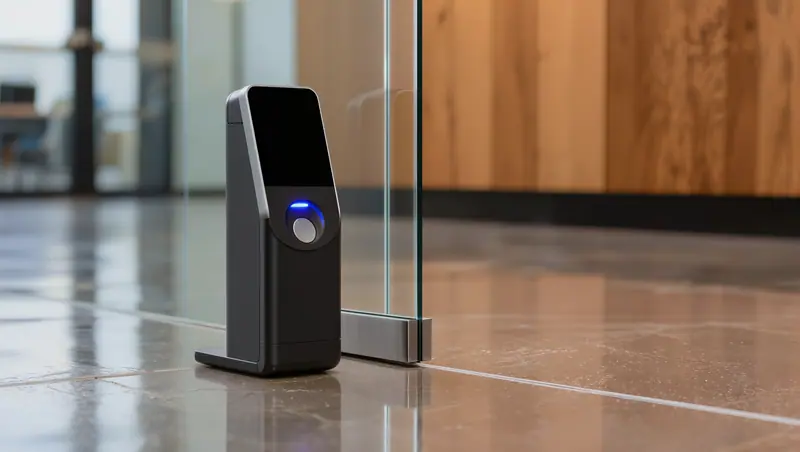
Better entry systems replace the shared code with individual credentials, such as a phone app, a fob, or a vehicle tag, so access can be issued and canceled per resident. Call boxes let visitors reach a resident’s phone. Cameras at the gate capture plates and faces for later review. Emergency crews must still get through, and fire code officials approve how that works, so gate design includes an emergency access method from the start.
In San Antonio, the city’s alarm permit program also reaches gated communities. The police department asks HOA or community managers of gated communities with restricted entry to obtain a gate permit, and we help managers sort that out alongside the equipment. Forms and fees change from time to time, so it pays to confirm the current process with the city before the new gate goes live rather than after the first emergency call.
Pools, Gyms, and Package Rooms Without a Ring of Keys
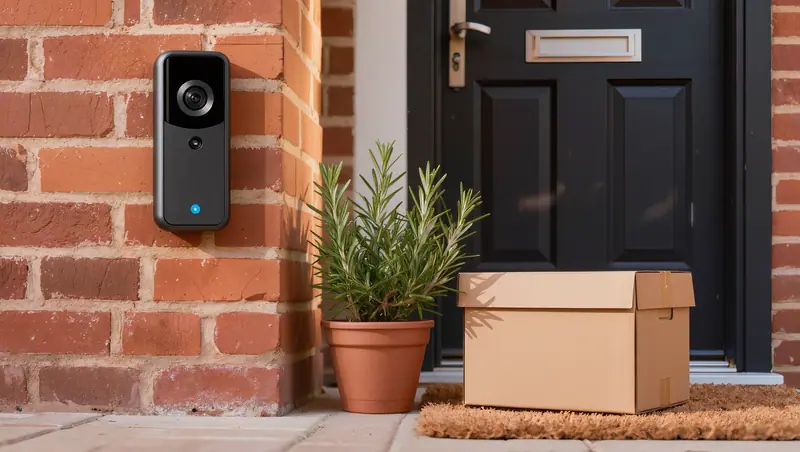
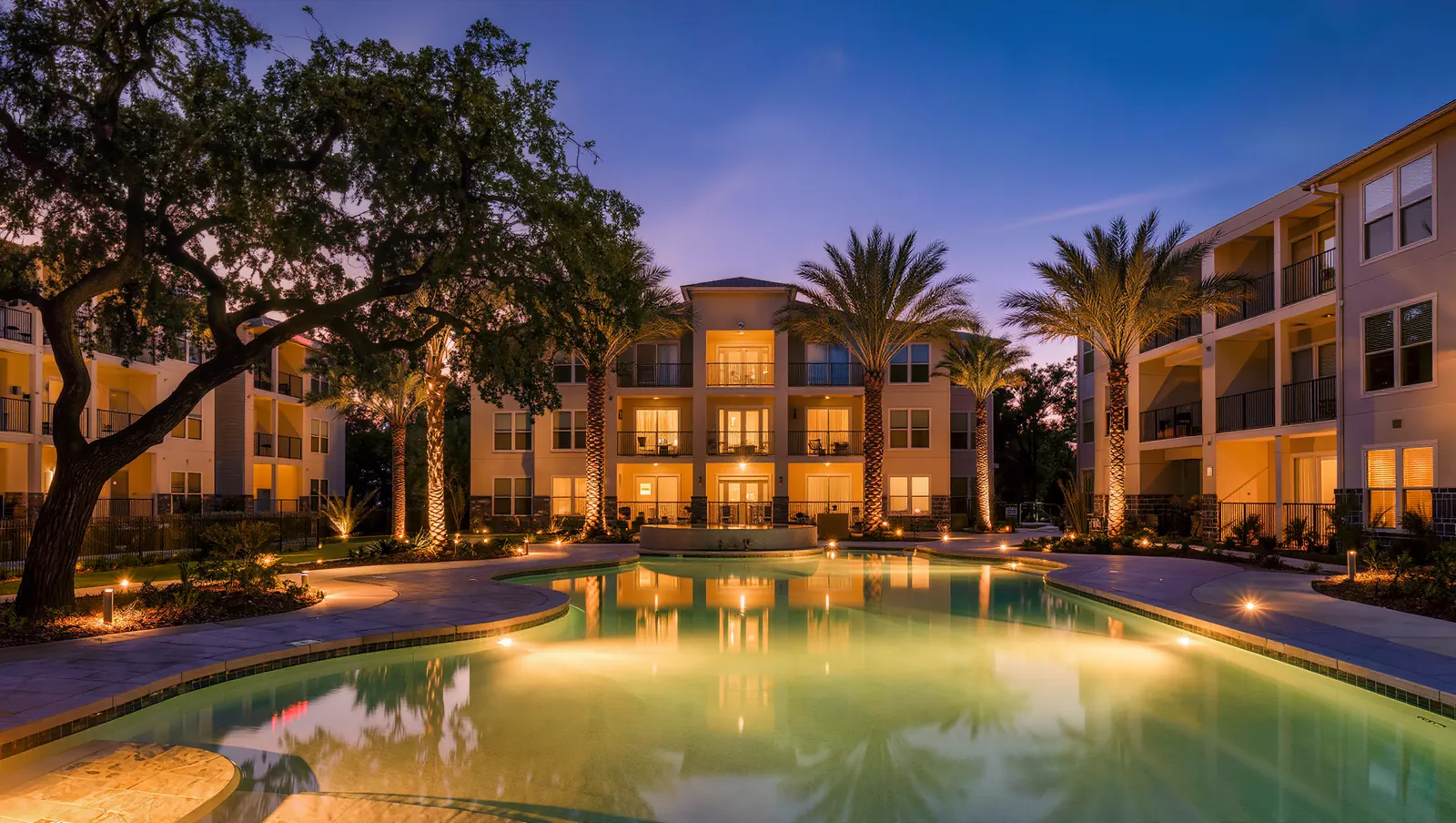
Amenities generate a surprising share of a manager’s headaches: the pool after hours, the gym at 4 a.m., the package room where boxes vanish, the clubhouse after a party. Access control ties each space to resident status and to schedules. The pool gate opens only during posted hours. The fitness center admits current residents. The package room logs every entry, which changes the tone of a missing-package conversation considerably.
When a resident moves out or falls far enough behind that management restricts amenities under the lease, access changes from the office instead of from a locksmith’s truck. Audit trails show which credential opened a door before damage was discovered. For HOAs, the same tools manage a shared pool or tennis court without mailing new keys to every household each spring.
Put Cameras Where the Complaints Come From
The best camera plan for a community starts with the property manager’s inbox. Which complaints come up repeatedly, and what footage would have answered them? Usually the list includes entrances and gates, the leasing office, mail and package areas, dumpsters and compactor pads, and parking areas where cars get broken into. Vehicle break-ins are a recurring problem in parking lots across the region, and our article on vehicle burglary and catalytic converter theft explains what helps.
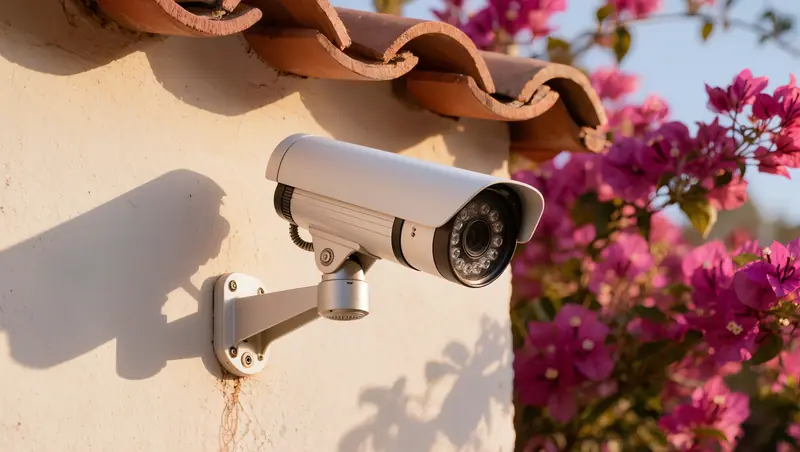
Cameras should identify, not just observe, at the places where it counts: plates at the gate and faces at building and office entrances. Broader overviews work for lots and common lawns. Commercial video surveillance for a property this size also needs a written footage policy covering who can view it, how long it is kept, and how requests from residents or police are handled. A clear policy protects the manager as much as the footage protects the property.
Leasing Offices, Maintenance Shops, and the Unit Nobody Lives In
The leasing office holds master keys, resident files, rent checks, and computers, and it is empty every night. It deserves its own monitored intrusion system with individual staff codes and a panic button at the front desk. The maintenance shop holds tools and parts that walk away easily. Both are straightforward to protect and too often overlooked because attention goes to the gate.
Vacant units are a quieter risk. An empty apartment can attract squatters or people who strip out appliances and copper, and a slow leak above an unoccupied unit can run for days. Door contacts and motion sensors on vacant units, plus monitored water and freeze sensors near water heaters and under sinks, put the problem on a manager’s phone before it reaches the unit below.
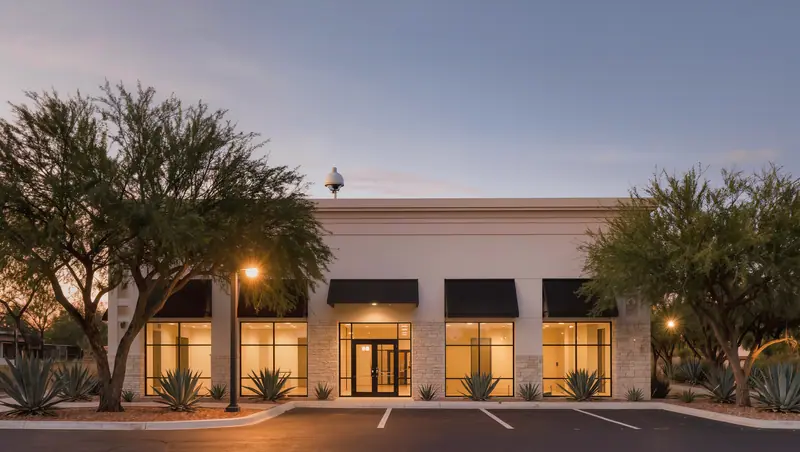
Communities of every size benefit, from the master-planned neighborhoods of Alamo Ranch to older complexes inside Loop 410. The approach is the same: protect the spaces with keys, cash, and plumbing, and give staff simple tools to manage them. Fancy equipment that the night manager can’t operate is just a more expensive way to be unprotected. For a broader look at what we do for owners and managers, see our commercial security services.
Making the Case to an HOA Board or an Owner
Security upgrades at a community usually need approval from people who will never use the gate keypad themselves. Boards and owners respond to specifics: how many service calls the old gate generated, what rekeying costs in staff time, how many package complaints came in last quarter, and what the new system will change. A clear scope with phases is easier to approve than a single all-or-nothing proposal.
We put together assessments that managers can bring straight to a board meeting. That includes a site map, a list of problems observed, recommended equipment by priority, and an honest note about what can wait. Residents tend to accept changes, like new credentials, more easily when the reason is explained in plain language before installation day.
Ideal for
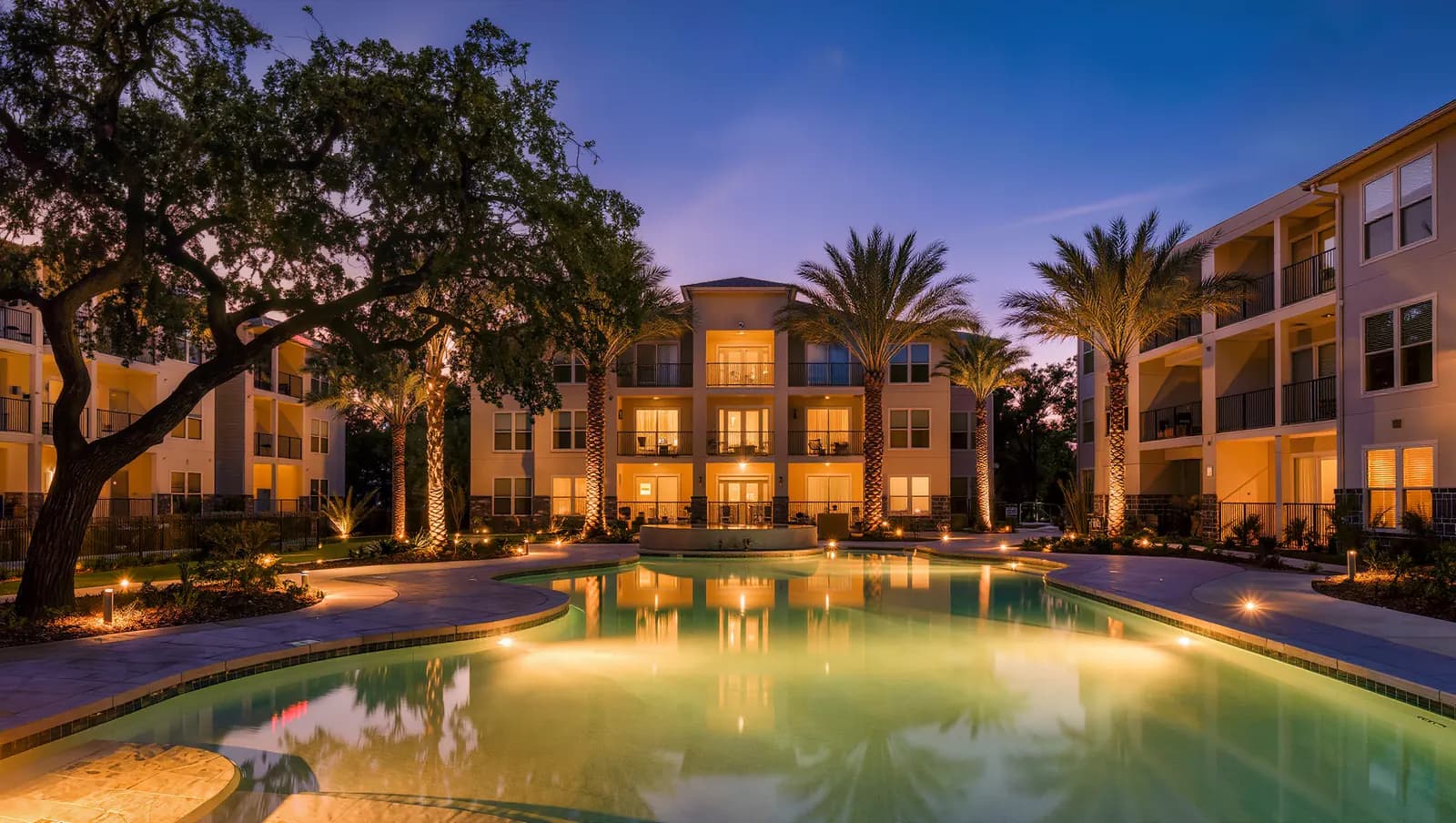
- Apartment communities and rental properties
- Homeowners associations with gates or shared amenities
- Property management companies with several sites
- Townhome and condominium associations
- Senior living and age-restricted communities
- Student and workforce housing