Where the Art Walk Starts
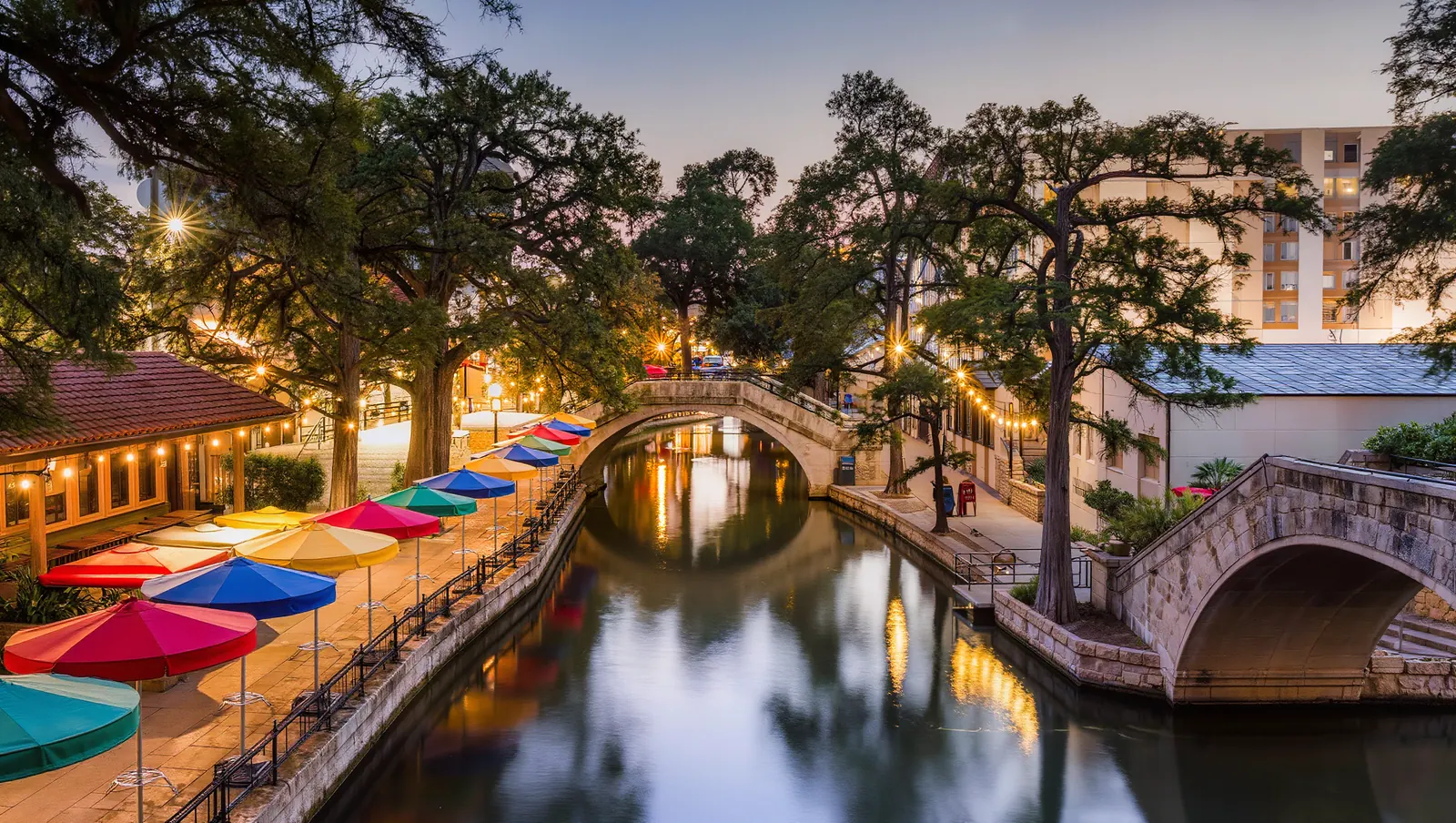
On the first Friday of the month, the Blue Star Arts Complex at 1414 South Alamo Street opens its galleries, and the sidewalks around it fill. On the second Saturday, the crowd shifts a few blocks to South Flores Street, the stretch locals call SoFlo. In between, Southtown goes back to being a neighborhood where people live, work, cook, and sleep.
First Friday didn’t begin as a branding exercise. Southtown merchants and members of a city revitalization program proposed it: open the galleries on the first Friday of every month and let people come. People came. They still do, which is good news for the galleries and a fine reason to check your own locks before you walk over to join them.
Crowds Are Good for Business and Hard on Back Doors
A busy night is a gift to a gallery or a restaurant. It also scatters attention. Staff watch customers, not the stockroom door propped open for air, and the delivery entrance in the alley sees more traffic than anyone tracks. That is when a properly designed business security system earns its keep, quietly, while everyone else is busy.
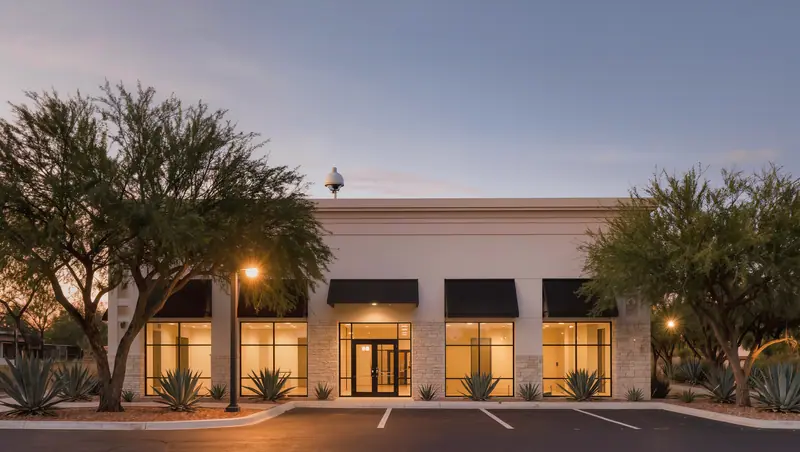
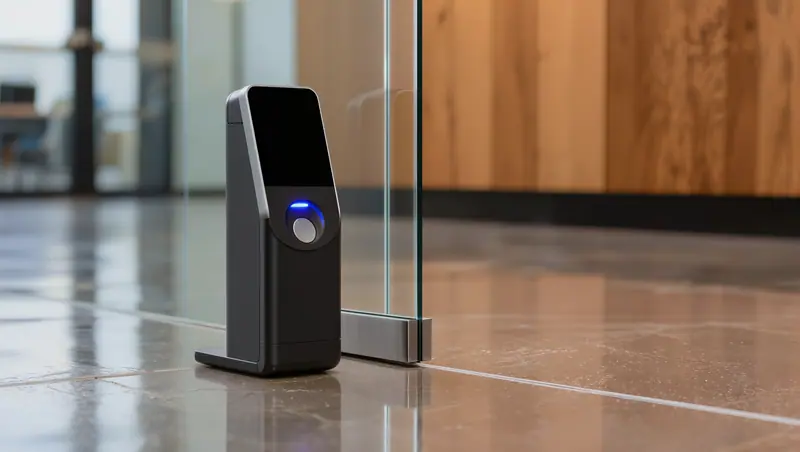
For shops and studios, we usually start with the doors nobody watches. Contacts on rear and side entries, a motion sensor in the stockroom, and a panic button behind the counter cover most of what matters. Access control replaces shared keys with individual credentials, so you know who opened the back door at 6 a.m. and who forgot to lock it at midnight.
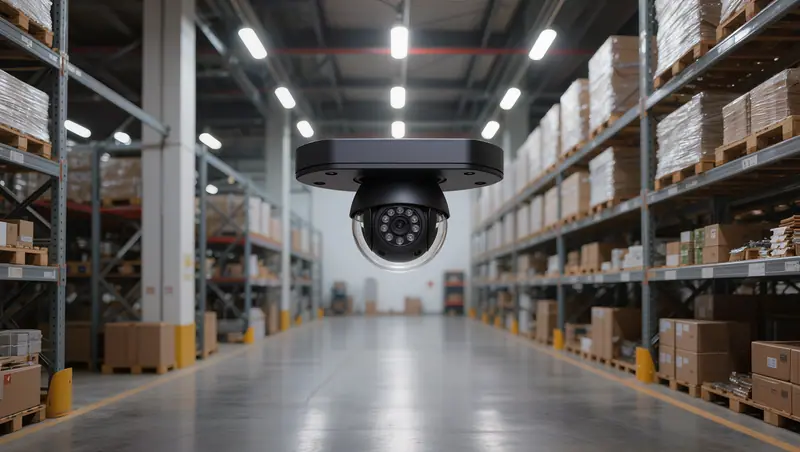
Cameras come next. Commercial video surveillance with clear coverage of the register, the entrances, and the alley gives you something useful to hand police after an incident. It also settles the smaller mysteries of running a business, like who left the walk-in cooler open or who backed into the dumpster.
Crime report · Not available at neighborhood level
Southtown has no official crime tally of its own, so this page reports none.
Reporting agency: San Antonio Police Department
Southtown is an arts-and-dining district, not a police reporting unit, and we found no verifiable official crime count for it. SAPD publishes citywide statistics and data by its own patrol areas. Those boundaries don’t line up with South Alamo or South Flores, and we would rather print nothing than print a number we can’t stand behind. Business owners who want incident data for their block should contact the San Antonio Police Department.
Living Above the Shop, or Next Door to It
Southtown is not only storefronts. Houses, duplexes, and small apartment buildings sit a block or two from the galleries. Residents get the restaurants and the art within walking distance. They also get strangers parking on their street on event nights. Nearly all of those strangers are pleasant. A few aren’t paying close attention to whose porch they’re standing on.
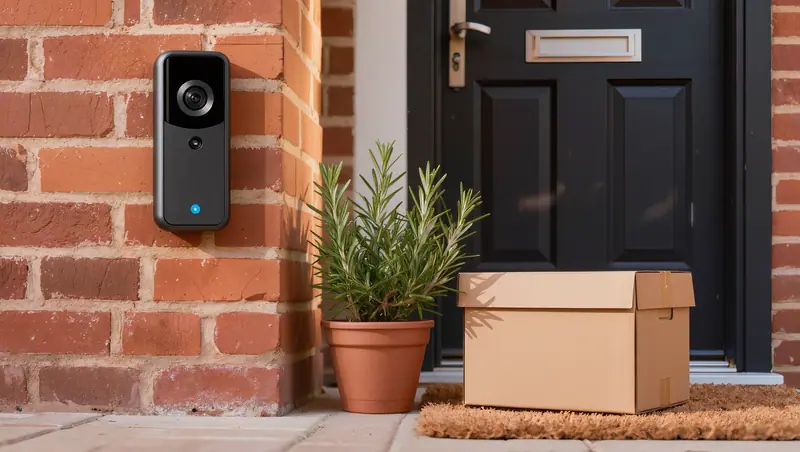
Packages are the everyday problem. A box on a porch near a busy corridor is a temptation with a shipping label. Our notes on package theft and porch pirates cover the simple fixes. A video doorbell handles the rest by recording every visitor and letting you speak to the delivery driver, or to anyone else lingering, from wherever you happen to be.
After Closing Time, Nobody Is Watching but the Panel
A gallery or kitchen is busiest when it is open and most exposed when it isn’t. Between the last dishwasher leaving and the first delivery arriving, a commercial building can sit empty for eight hours or more. 24/7 alarm monitoring means a central station sees the break-in, the smoke, or the cooler failing, and calls you and the responders before the morning crew finds out the hard way.
Artwork and inventory deserve more than a door contact. Glass-break sensors near the street windows, motion detection in the back rooms, and a heat or smoke sensor near the kitchen line catch the problems a simple alarm misses. An opening and closing report shows you, from your phone, whether the building was armed last night and by whom, which is a quieter way to manage than asking around.
Two ZIP Codes, Neither of Them a Perfect Fit
Southtown straddles ZIP codes 78204 and 78210, and neither ZIP follows the neighborhood’s edges. The 2020 Census counted 11,298 residents in 78204 and 33,010 in 78210. The bigger number reflects how far 78210 reaches beyond the arts district. Read both as context for the wider area, not as a census of South Alamo Street.
The 2020–2024 American Community Survey estimates put the median household income in 78204 at a little over sixty thousand dollars and the median home value in 78210 under two hundred thousand. Those are modest medians for a district with destination restaurants. They also describe a place where long-time residents and new arrivals share the same blocks.
Next door, the King William Historic District carries a historic zoning overlay. For any property under such an overlay, the city’s Office of Historic Preservation requires a Certificate of Appropriateness for exterior modifications and repairs. If your building is old and you aren’t sure of its status, ask the city before anyone mounts a camera on the facade.
Start With a Walk-Through, Not a Catalog
Every Southtown project starts with a free security assessment. For a business, we look at entrances, sight lines, the alley, and how your staff opens and closes. For a home, we look at the porch, the gates, the parking, and the windows facing the street. Either way, you get a written plan in plain English.
We are a San Antonio company, licensed by the Texas Department of Public Safety’s Private Security Bureau, and we work across the city and its suburbs. Southtown is a short drive for us. We would be glad to see your place in daylight, on a quiet Tuesday, long before the next First Friday crowd arrives.
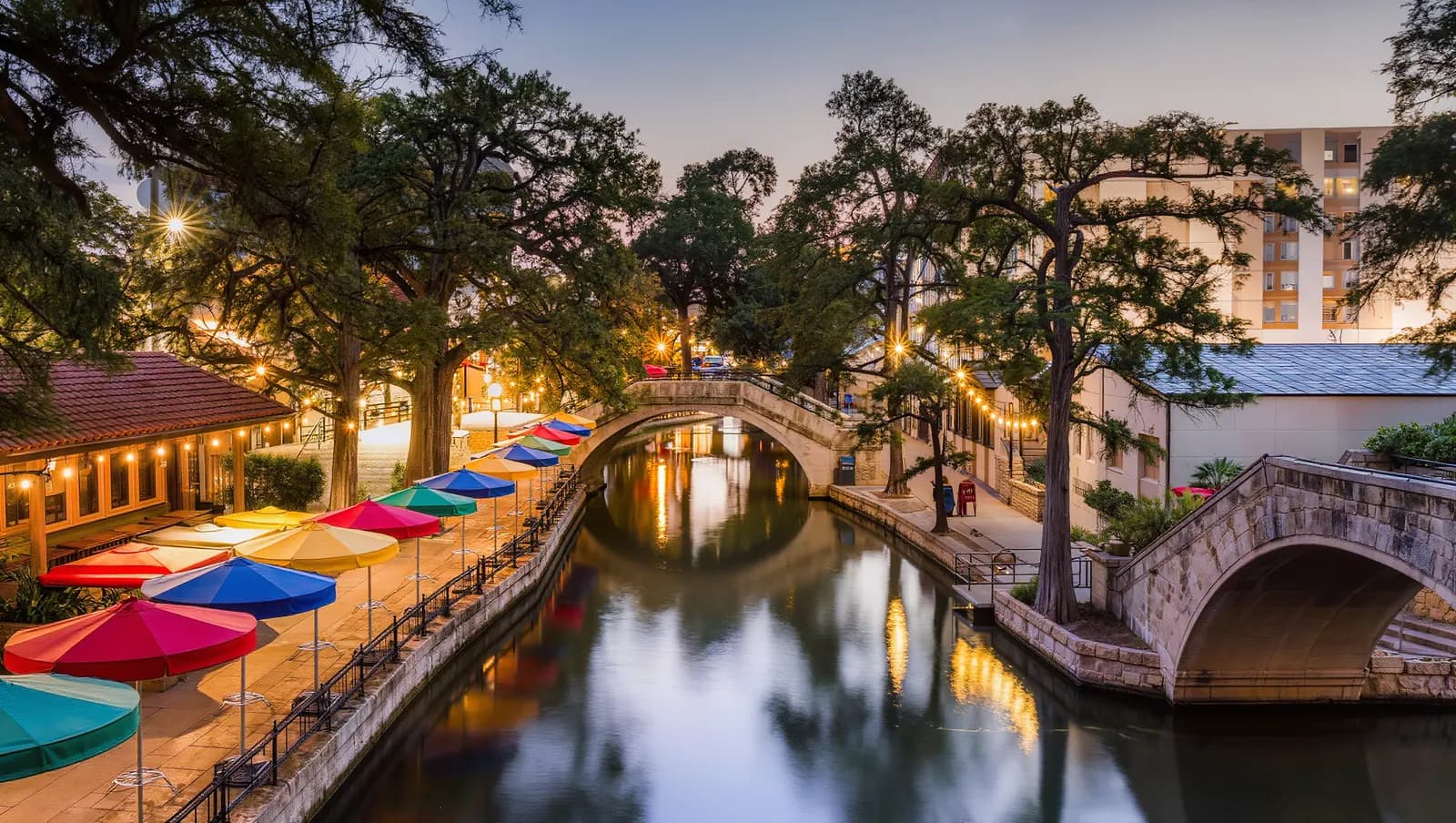
Landmarks we know well
- Blue Star Arts Complex (1414 S. Alamo St.)
- South Alamo Street
- South Flores Street (SoFlo)