
A Neighborhood Sold on Stone Before It Was a City
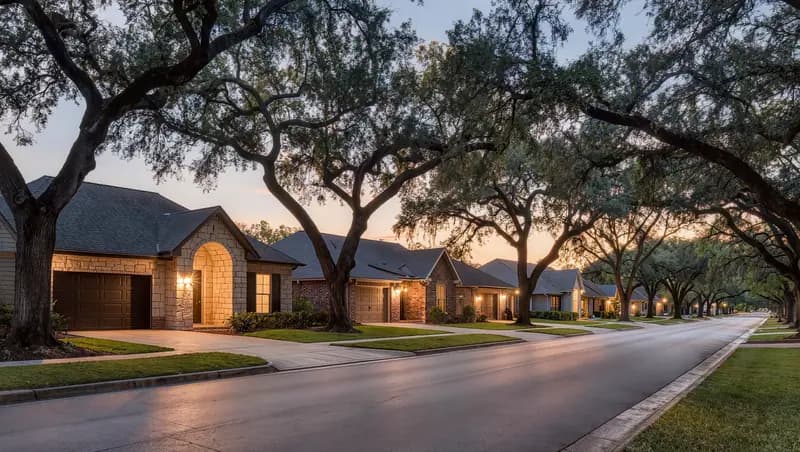
In 1917 the Army trained balloon crews on the land that became Olmos Park. A decade later, oilman and developer H.C. Thorman had other plans for it. He laid out curving streets that radiate from a central circle, and in January 1927 he wrote covenants requiring every house to be finished in masonry. Lot sales improved almost at once. The 1929 crash slowed construction, but the idea held, and the subdivision went on to incorporate as its own small city, surrounded on every side by San Antonio.
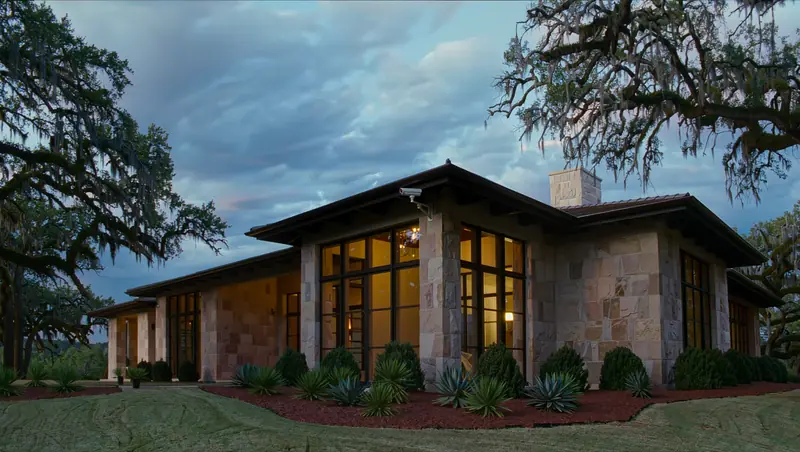
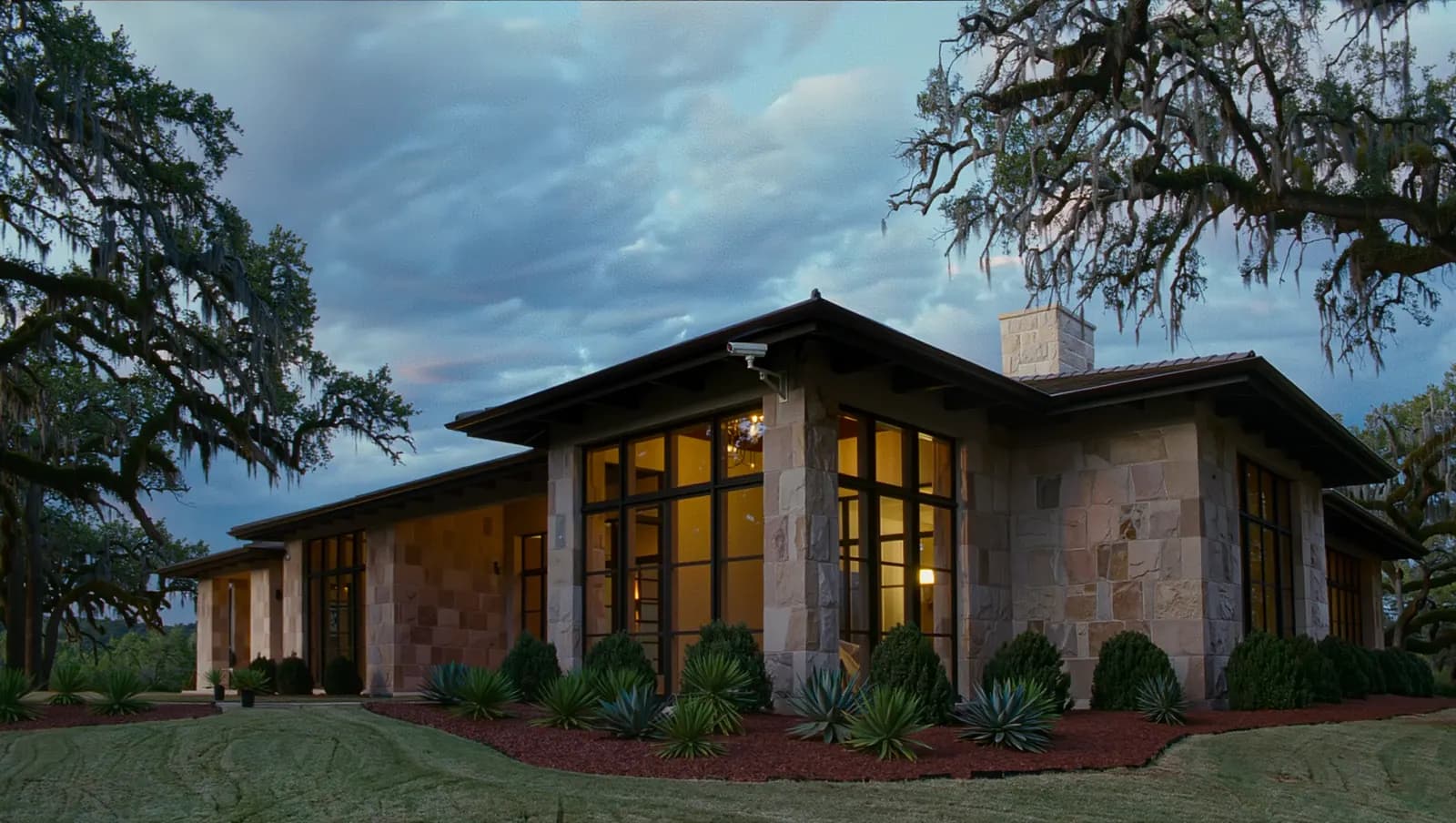
The covenants did their job. Nearly a century later, the masonry is still standing across roughly 0.6 square miles. Masonry is excellent at resisting weather, termites, and changes in fashion. It is less effective against a patient stranger with a flat bar and ten quiet minutes at a 1920s French door. The walls were built for the ages. The latches were built for 1927.
That gap is the whole subject of this page. Burglars, for all their faults, are practical people. They pick the door that gives, not the wall that won’t. If you want to see how they size up a street, our plain-English guide to how burglars choose a house is worth ten minutes of your evening. Then come back, because Olmos Park has a few quirks of its own.
Wiring a House That Was Finished Before the Alarm Panel Existed
Old houses fight back when you try to run cable through them. Plaster cracks. Stone does not drill politely. Original windows come in shapes no catalog anticipated. A good installer treats all of that as a design problem, not an excuse. Most of what a modern home security system needs now communicates wirelessly: contacts on doors and windows, motion detectors in hallways, a keypad by the door. None of it requires opening walls that have stayed shut since the Coolidge administration.
Plenty of Olmos Park homes already have an alarm. Some of it works. Some of it is a keypad that chirps at everyone and reports to a monitoring company that has changed names twice since it was installed. Before you rip anything out, ask whether it can be kept. A system takeover often reuses the existing door contacts and wiring, replaces the aging control panel, and moves monitoring to a central station you can actually reach.
The other old-house wrinkle is water. Pipes in a century-old home were not laid out with a hard Texas freeze in mind, and a slow leak behind plaster can run for days before anyone notices the stain. A small water sensor under a sink or beside the water heater reports the problem while it is still a towel job. It is the kind of protection you hope never to use, which is the best kind.
Crime report · 2023–2024
Violent crime in Olmos Park is close to zero. Burglary, at seven reported cases in 2024, is the number worth watching.
Reporting agency: Olmos Park Police Department (as reported to the FBI)
Start with the good news, because it is genuinely good. KSAT, reviewing FBI data in October 2024, found fewer than ten violent crimes reported in Olmos Park over the prior decade, and no homicides or rapes. The cases that did occur were robberies and aggravated assaults: one robbery in 2022, one in 2023, and two aggravated assaults in 2023. For 2024, FBI figures compiled by AreaVibes show a single violent crime for the whole city.
Property crime is a different story, and a small-number story. Sixteen property crimes in 2024, seven of them burglaries, sounds modest, and it is. But in a city of about 2,180 people, seven burglaries works out to 324.8 per 100,000 residents, above the Texas rate of 284.3 reported by the same source. Theft, meanwhile, runs far below the state rate. One or two cases either way can swing a rate like this hard from one year to the next.
The sensible reading is neither panic nor complacency. Olmos Park is a very safe place to live, and the crime it does see tends to be the quiet, opportunistic kind: entries into homes and cars while nobody is watching. That is exactly what good locks, good lighting, and a monitored alarm are built to discourage. We could not locate a detailed annual report from the department itself, so these figures come from FBI data by way of the sources cited.
The Glove Box Is Not a Vault
The incidents that actually happen here tend to be small and specific. The city’s weekly newsletter for February 13, 2026, logged a vehicle burglary in which someone took a modest amount of cash from a glove box. Nobody broke into a house. Nobody was hurt. It is not dramatic, and that is the point: this is the kind of crime that thrives on cars parked in driveways with their contents in easy reach.
Cars are where good security habits go to die. People who would never leave the front door unlocked will leave a garage remote, a laptop bag, and a spare house key in the center console. Our guide to vehicle burglary and catalytic converter theft covers the habits worth changing. The hardware side is simpler. Light the driveway. Then point a camera at it.
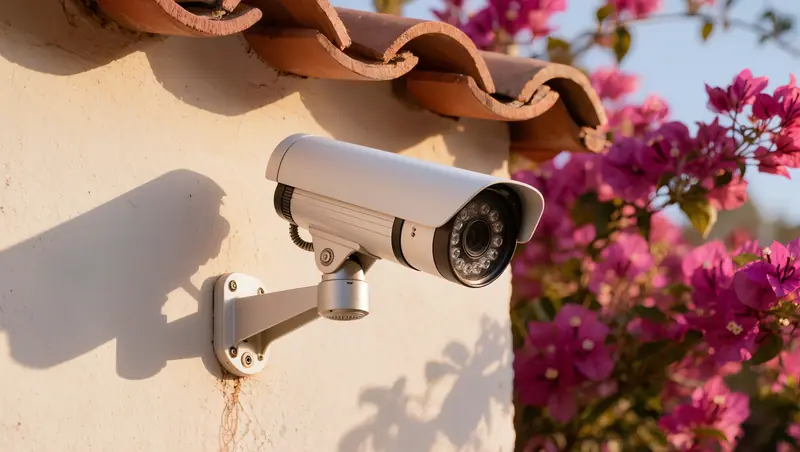
A well-placed security camera on an Olmos Park driveway does two jobs. It records a face and a license plate in usable detail, which is what an investigating officer will ask for first. And it is visible, which persuades a fair number of prowlers to try somebody else’s car. Placement matters more than megapixels. Mount it too high and you get the tops of hats. Aim it carelessly and you get a fine collection of headlights.
A Police Force Whose Whole Beat Fits in a Short Drive
Olmos Park keeps its own police department, which is not a given for a city of about 2,180 people. The department reports its numbers to the FBI and shares incident notes through the city’s weekly newsletter. When a monitored alarm here is verified and dispatched, the call goes to a department whose entire jurisdiction covers about 0.6 square miles. Distance is not the problem. Credibility is.
The weak link in most alarm systems is not the police. It is the false alarm. A door contact that rattles in the wind, or a motion detector that has never made peace with the cat, teaches everyone, neighbors included, to ignore the siren. Professional 24/7 alarm monitoring puts a trained person between the sensor and the dispatcher: a call to you, a look at video when you have it, then a decision. Fewer false alarms means the real one gets taken seriously.
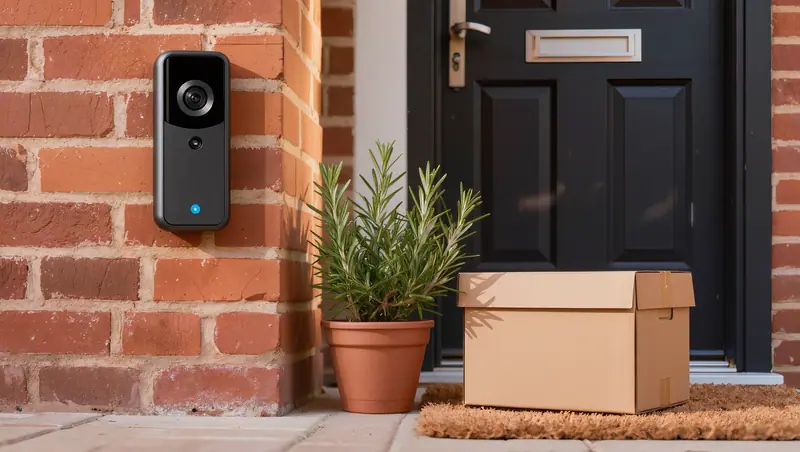
Small cities also run on neighbors. Olmos Park sits a short drive from some of San Antonio’s oldest close-in neighborhoods, including Monte Vista, and the people who prowl one street rarely stop to check where the city limits fall. A video doorbell that catches someone walking the block at three in the morning is useful to more people than the household that owns it.
What a Walk Around Your Property Will Tell You
Every system we sell starts with a free on-site security assessment. One of our people walks the property with you, inside and out. We look at the doors that get used and the ones that don’t, the windows a ladder could reach, where the light falls at night, and where it doesn’t. We test what you already have. Then we tell you, in writing, what we would add and what we would leave alone.
There is no script to sit through and no pressure to sign anything at the kitchen table. San Antonio Protection Services is licensed by the Texas Department of Public Safety, Private Security Bureau, under license B16898, and has been in business since 2010. You can look that license number up yourself. Frankly, we would rather you did, and we would think less of any company that discouraged it.
If your house has stood in Olmos Park since the Thorman years, it has earned a security plan as carefully considered as its masonry. The assessment costs you nothing but a little time, and you keep the recommendations whether or not you hire us. Book your free security assessment and we will show you exactly where your house stands, door by door.
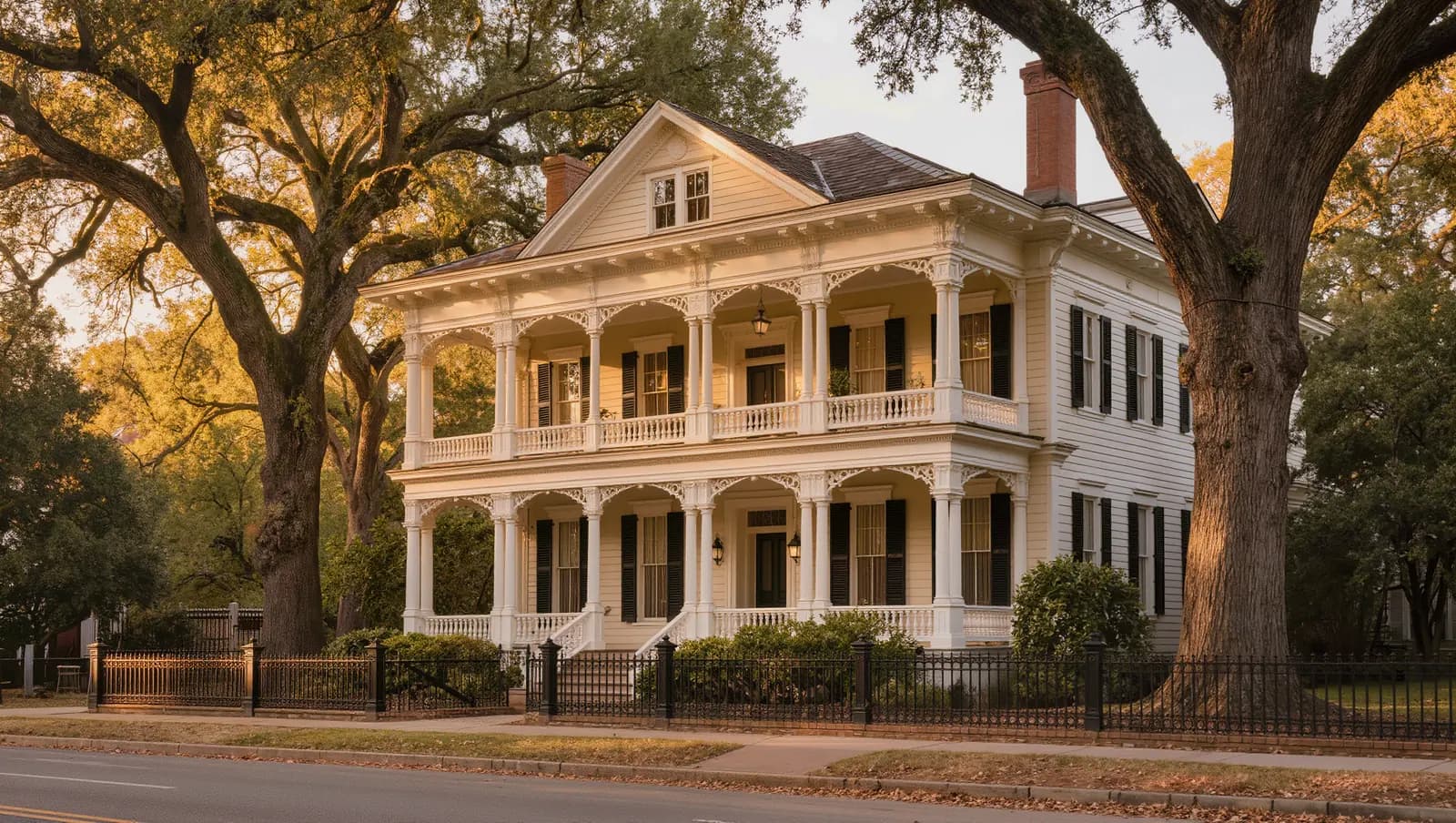
Landmarks we know well
- Olmos Dam, built 1925–1927 for San Antonio flood control
- Olmos Basin Park
- The central circle of H.C. Thorman’s 1927 street plan