A Town Founded on a Contract and a River Crossing
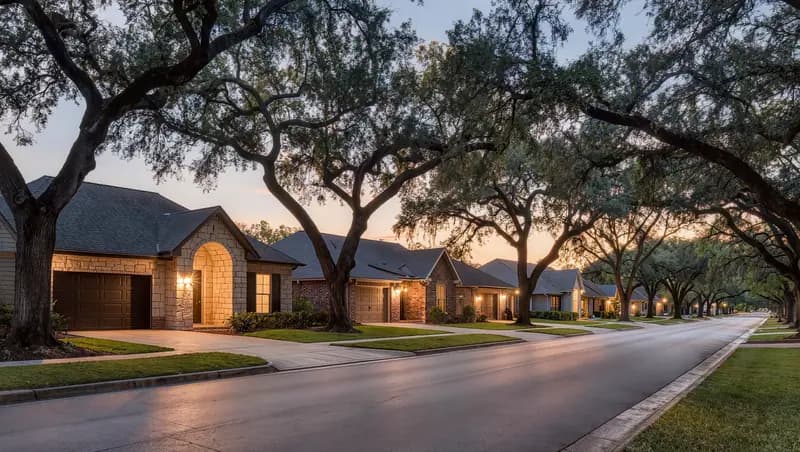
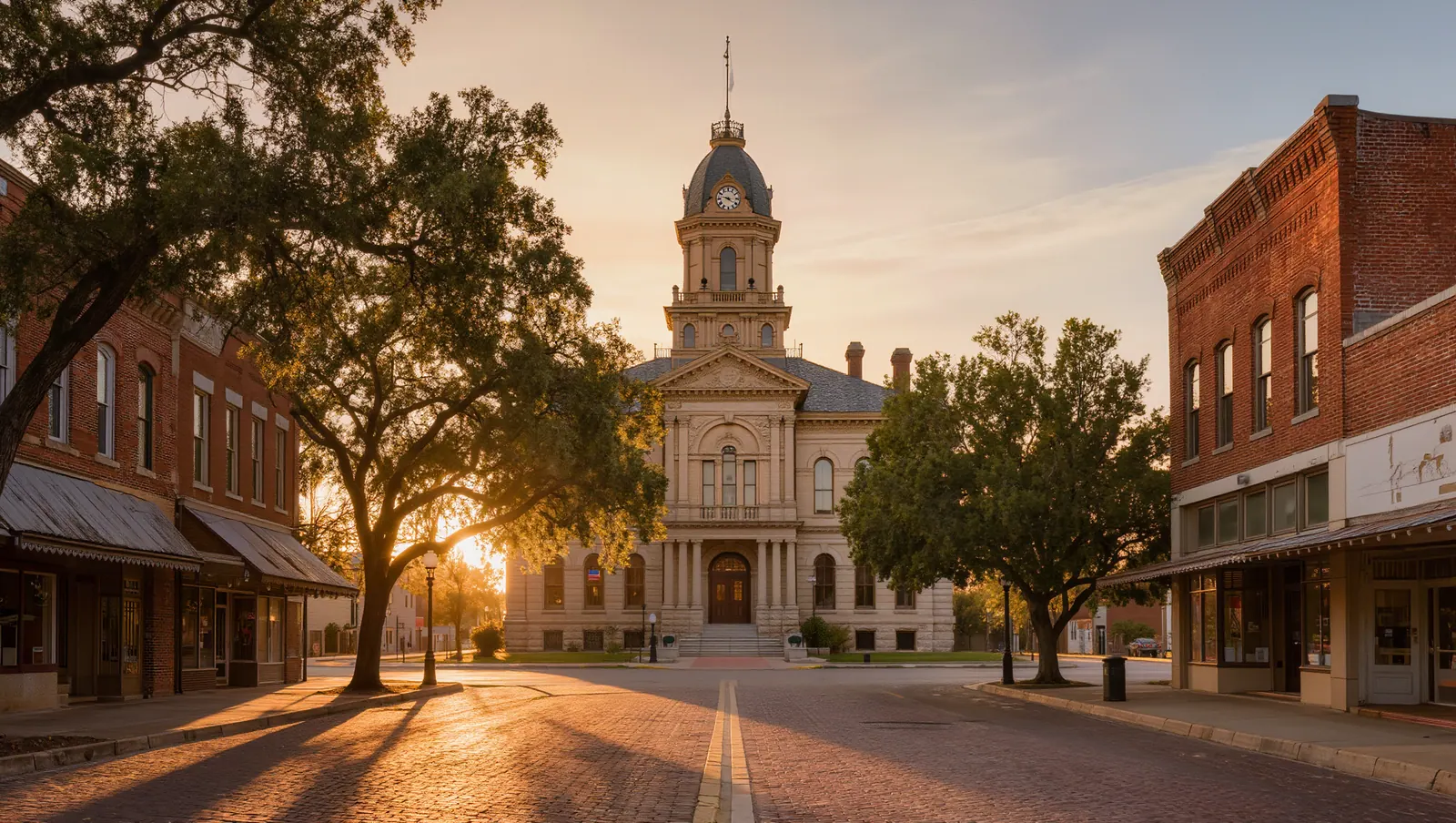
Most towns grow. Castroville was ordered, more or less. Henri Castro held a colonization contract from the Republic of Texas, and on September 3, 1844, he crossed the Medina River with 50 men and 27 oxcarts near the spot where the Landmark Inn stands today. Nine days later he founded the town, about 25 miles west of San Antonio. Most of his settlers came from Alsace, which is why the place still answers to “the Little Alsace of Texas.”
The first colonists had real trouble and nobody to call. Their descendants have a phone, a police department, and a town small enough that a strange truck idling on a side street gets noticed. Keep that instinct. Just know its limits. A neighbor who saw “a white pickup, maybe Tuesday” is a kind witness and a poor exhibit. The modern job is to keep the small-town attention and add a record that holds up later.
Old Walls, New Sensors, and No Unnecessary Holes
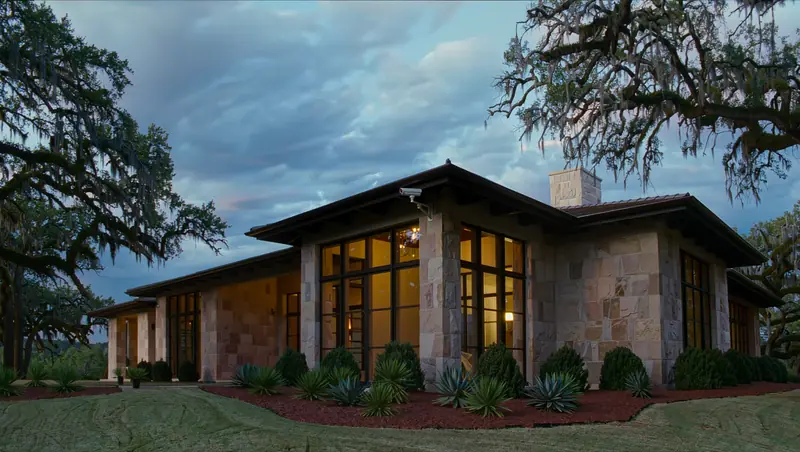
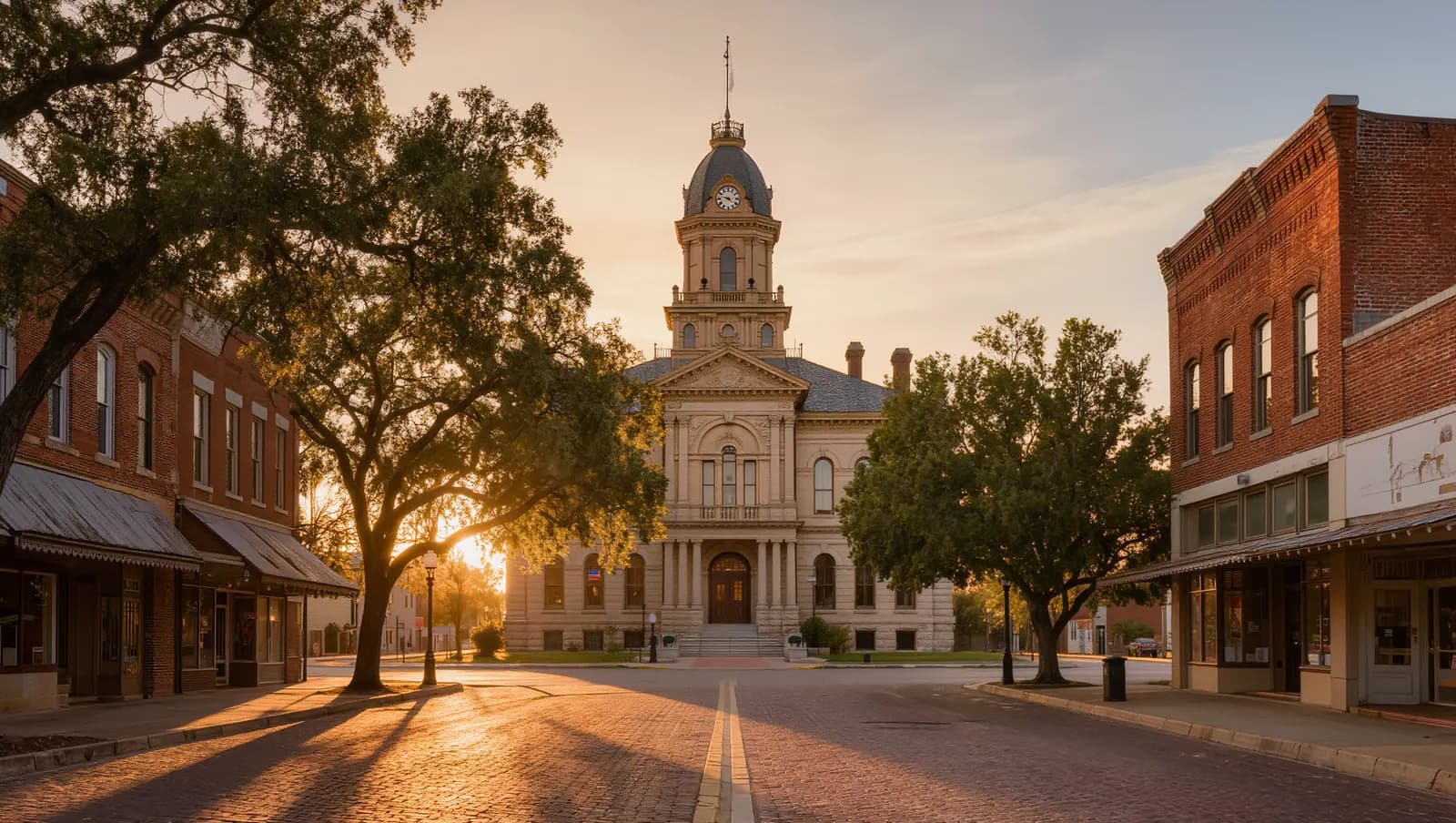
Castroville takes its old buildings seriously. The city runs a historic preservation program and publishes a walking tour of the structures its settlers left behind. If you own one of those houses, or one built in their spirit, you already know the rule. You don’t drill into a century-old masonry wall because an installer found it convenient.
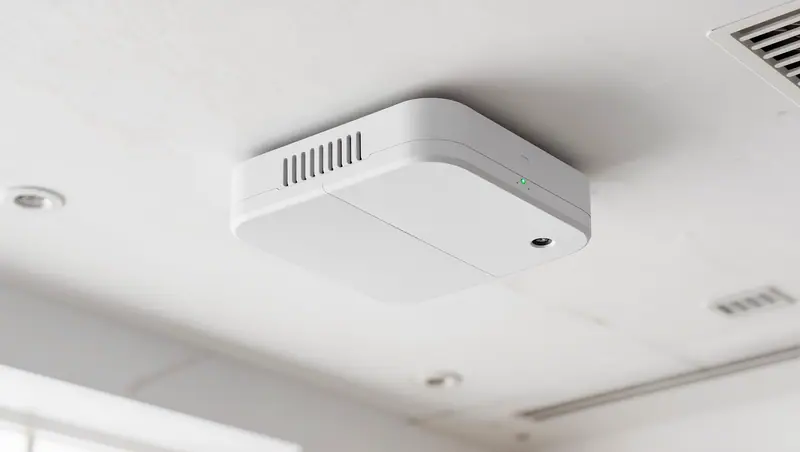
Modern home security systems rarely ask you to. Door and window contacts are wireless and small. Motion sensors sit in corners and on shelves. The panel reports over cellular, so there is no phone line to trench. We plan placement during the walkthrough and pick mounting points that can be undone. If the house came with an older panel that still works, a system takeover can put it back on duty instead of in a landfill.
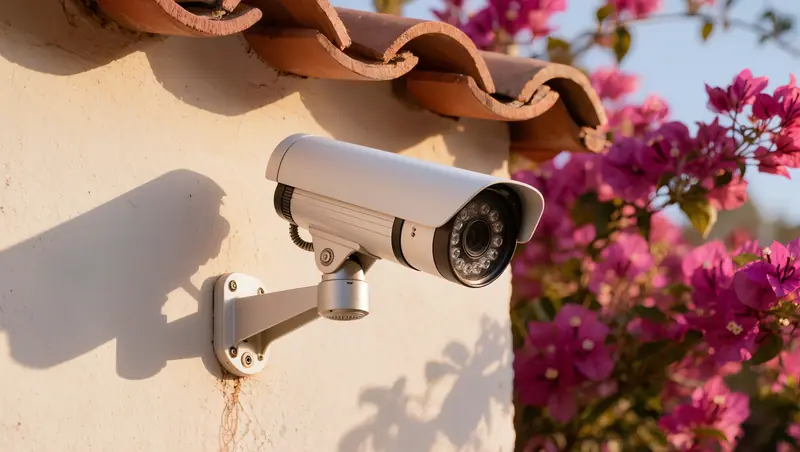
One honest caveat. If your property sits inside a designated historic area, ask the city’s Historic Preservation office before mounting cameras on the facade. We would rather wait a week for a yes than install the same camera twice. Inside, the house is yours to arrange, and a keypad by the back door has never upset anyone at City Hall.
You don’t drill into a century-old masonry wall because an installer found it convenient.
Crime report · 2024
Castroville’s 2024 FBI figures are small, and most of what was reported was theft rather than break-ins.
Reporting agency: Castroville Police Department
Start with scale. Castroville is a town of roughly three thousand people, so one bad weekend moves the percentages. The FBI data shows seven violent crimes in 2024, two in 2023, and one in 2022. That is a real increase on a very small base. Six of the 2024 incidents were aggravated assaults. Treat the trend as a reason to pay attention, not a reason to buy a moat.
Property crime is where the numbers gather: 49 offenses, 41 of them larceny-thefts, six burglaries, and two stolen vehicles. Castroville police have reported through the FBI’s incident-based NIBRS system since June 2018, so these are the department’s own counts as published in the FBI Crime Data Explorer and compiled by OpenCrime. Homes outside the city limits are covered by the Medina County Sheriff’s Office and are not in these totals.
Here the Thief Usually Wants Your Stuff, Not Your Front Door
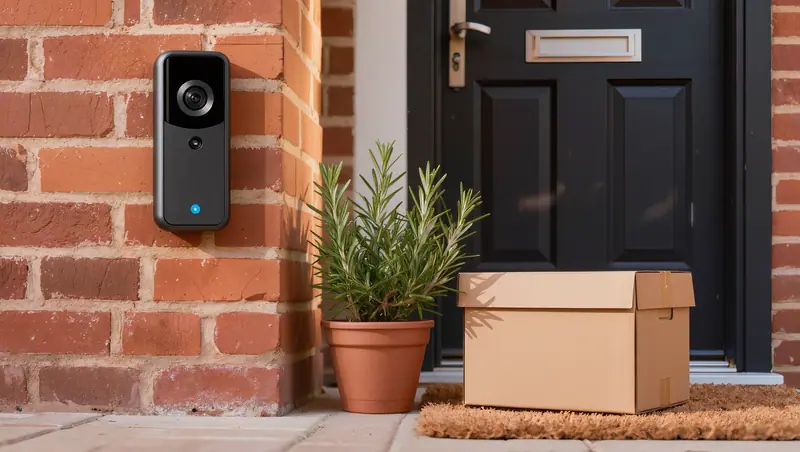
The FBI numbers make a plain point. Of the 49 property crimes Castroville police reported for 2024, 41 were larceny-thefts. Only six were burglaries. Larceny is the unglamorous category: a toolbox lifted from a truck bed, a bicycle wheeled out of a carport, a box taken off a porch. That thief isn’t breaking in. He is shopping, and he prefers to browse unobserved.
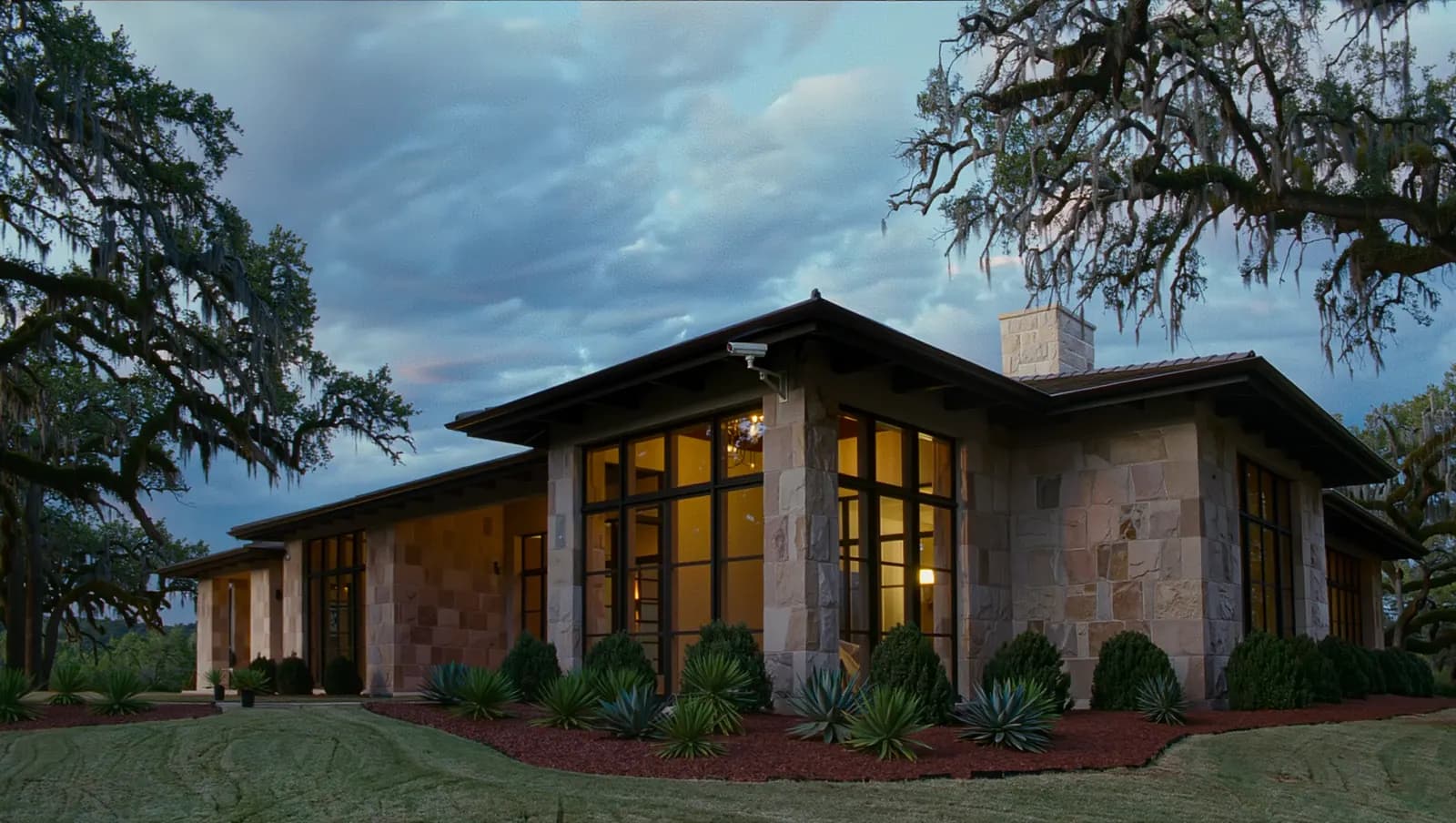
That shapes the equipment. A camera aimed down the driveway, with a lens chosen for night images and a light that comes on when it should, does more work here than a camera aimed at the sky for drama. Good outdoor security cameras earn their keep by catching a face and a plate. Lock the truck as well. Our guide to vehicle burglary and catalytic converter theft covers the rest, and most of its advice is free.
Where People Stay Put, the Pipes Get Older Too
Castroville skews settled. Census survey data compiled by Data USA puts the median age at 48.8, and about 73 percent of households own their homes, well above the national rate of 65.2 percent. Owners stay for years. They also leave for a while: a week at the coast, a month with family, a hospital stay nobody scheduled. An empty house is where small problems quietly become large ones.
A burst pipe in an occupied house is a mess. In a vacant one it becomes a renovation. Water, freeze, and smoke monitoring reports to a central station whether or not anyone is home, and it doesn’t care that you forgot to leave a key with the neighbor. A leak sensor under the water heater is a modest object. It is also, in our view, one of the most useful things we install.
Highway 90, the Commute, and the Quiet Middle of the Day
U.S. 90 carries Castroville commuters toward San Antonio in the morning and brings them home at night. In between, plenty of houses sit empty, which is no secret to anyone who drives the same road. A monitored system covers that window. A door opens, a sensor reports, the central station calls you, and then it calls for help if you don’t pick up.
Past the city limits the picture changes. Lots get bigger, driveways get longer, and the nearest neighbor may be a pasture away. We equip homes out toward Hondo and across Medina County with cellular communicators, gate and driveway alerts, and cameras placed where an approach actually happens. Distance is the rural homeowner’s privacy. It is also the burglar’s.
Start with a free security assessment. We walk the house and the lot, ask how you actually live there, and leave you a written plan. Nobody leaves a contract on your kitchen table and waits for you to blink. If the answer is that your locks and porch light are enough for now, we will say so, and you will have lost nothing but an hour.
Landmarks we know well
- Landmark Inn State Historic Site
- Medina River
- Castroville Historic Walking Tour
- U.S. Highway 90