A Town Named for the Man Who Gave the Land
Lytle takes its name from John T. Lytle, who donated land to residents for public use. Over time the town became a major shipping point for cattle, which tells you something about the ranch country on all sides. That cattle-pen practicality still shows. The city sits on the line where Atascosa, Medina, and Bexar Counties meet, and Interstate 35 runs right past it on the way to Laredo.
The Census Bureau counted 2,914 residents in 2020. ACS estimates show more than four in five households own their homes, at a median property value well below the San Antonio metro median. People here tend to put down roots, know the neighbors, and keep an eye on the street. Security should reinforce that instinct, not replace it with gadgets nobody understands.
Three counties also means three sets of county offices, and that can complicate something as basic as who answers an alarm. A house a few blocks from another may fall under a different sheriff once you leave city limits. It sounds like trivia until the night it matters, which is why we sort it out on paper before installation day.
Commuting North on I-35 and Leaving the House to Itself
Many Lytle households empty out on weekday mornings as people drive north toward San Antonio. That leaves eight or nine hours when a house sits quiet and a stranger at the back door has only the dog to worry about. A burglar doesn’t need a crime wave to find that window. He just needs a pattern.
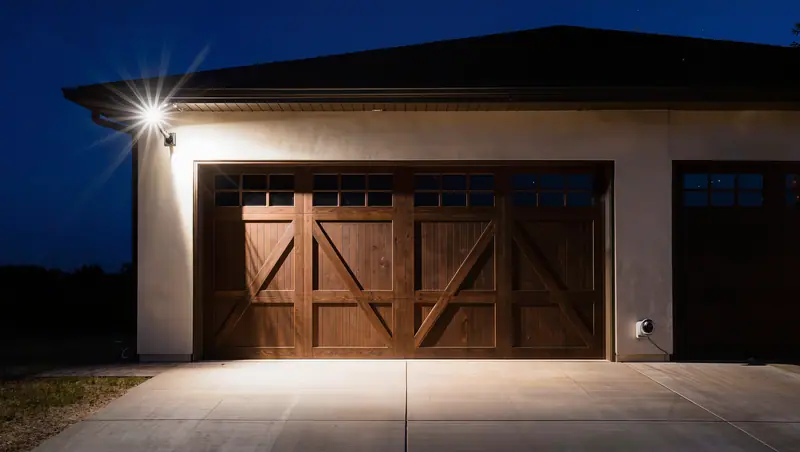
A monitored home security system closes that window. Door and window sensors, a motion detector in the main hallway, and a siren loud enough to end the visit early are the core. Add garage door control and you can check from a job site in town whether the door is down, and close it with a tap if it isn’t.
Lights help, too. Smart switches can run lamps on a schedule that shifts a little each evening, so the house doesn’t announce its empty hours with the same dark windows every night. A smart thermostat on the same app lets you nudge the temperature from work during a hot August afternoon, which is less about security and more about walking into a house that isn’t an oven.
A burglar doesn’t need a crime wave to find that window. He just needs a pattern.
Crime report · 2024
NeighborhoodScout puts Lytle’s 2024 crime rate at 29 per 1,000 residents, down from 31 the year before. The small population makes that rate jumpy.
Reporting agency: Lytle Police Department
- Total crime rate (violent and property)
- 29 per 1,000 residents[4]
- 2024 data, published October 2025; NeighborhoodScout estimate
We could not find a Lytle annual crime report with offense-by-offense totals, so the figures here come from NeighborhoodScout, a commercial data publisher that builds its rates from FBI-reported agency data. It puts Lytle’s 2024 rate at 29 crimes per 1,000 residents, a slight improvement on 31 for 2023. Read that with care. NeighborhoodScout calculates on a population of 3,325, while the 2020 Census counted 2,914, and a highway town may also draw reports from people who don’t live there. A few dozen incidents in a small denominator produce a big-looking rate.
What a resident can use is the department’s own weekly reporting, which the city pushes out through its Lytle Alerts notice system and which lists individual calls rather than annual totals. For an exact 2024 breakdown of burglaries and thefts, the Lytle Police Department is the agency to ask. Meanwhile, the steady habits in our guide to how burglars choose a house apply here as anywhere.
Spend on the Doors First, Then Add Eyes
Not every home needs a dozen cameras. Most Lytle houses are single-story with a front door, a back door, and a garage, which makes a well-placed system compact. We would rather install the sensors and locks that matter than bury a modest house in hardware. Strong strike plates and long screws on exterior doors are worth doing before anything with a battery.
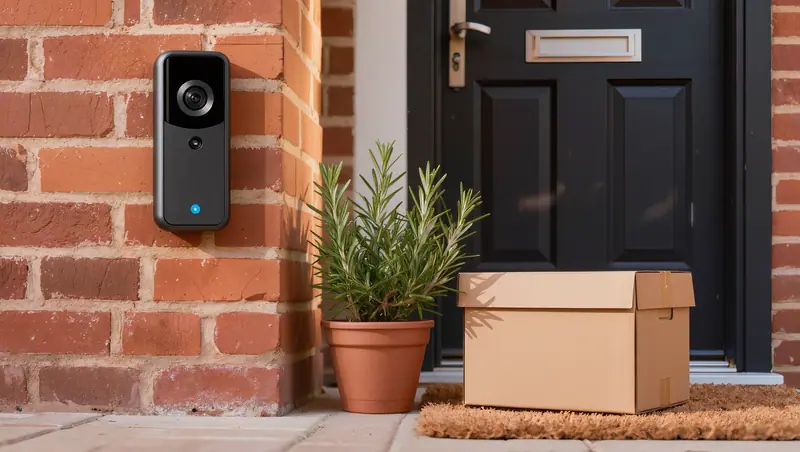
After that, a video doorbell covers the front, and one or two cameras cover the driveway and backyard. Smart locks let a relative check on the house without a hidden key that every teenager on the block knows about. Build it in that order and each piece earns its place.
Keep the camera count honest. Each one should answer a question you would actually ask after an incident: who came to the door, which way did the car go, what happened by the back fence. A camera that answers none of those is decoration.
Country Lots, Shops, and Equipment Out Back
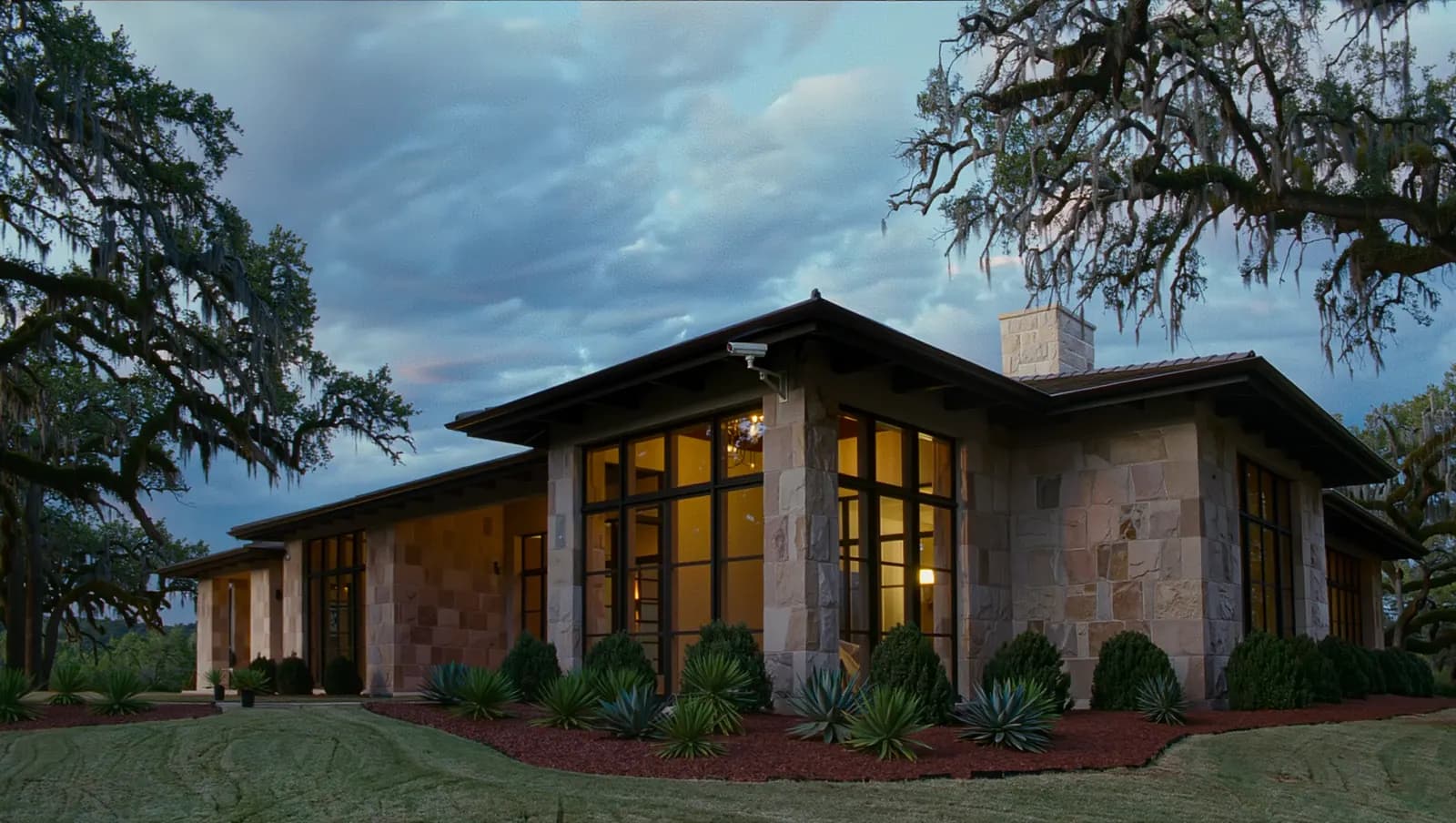
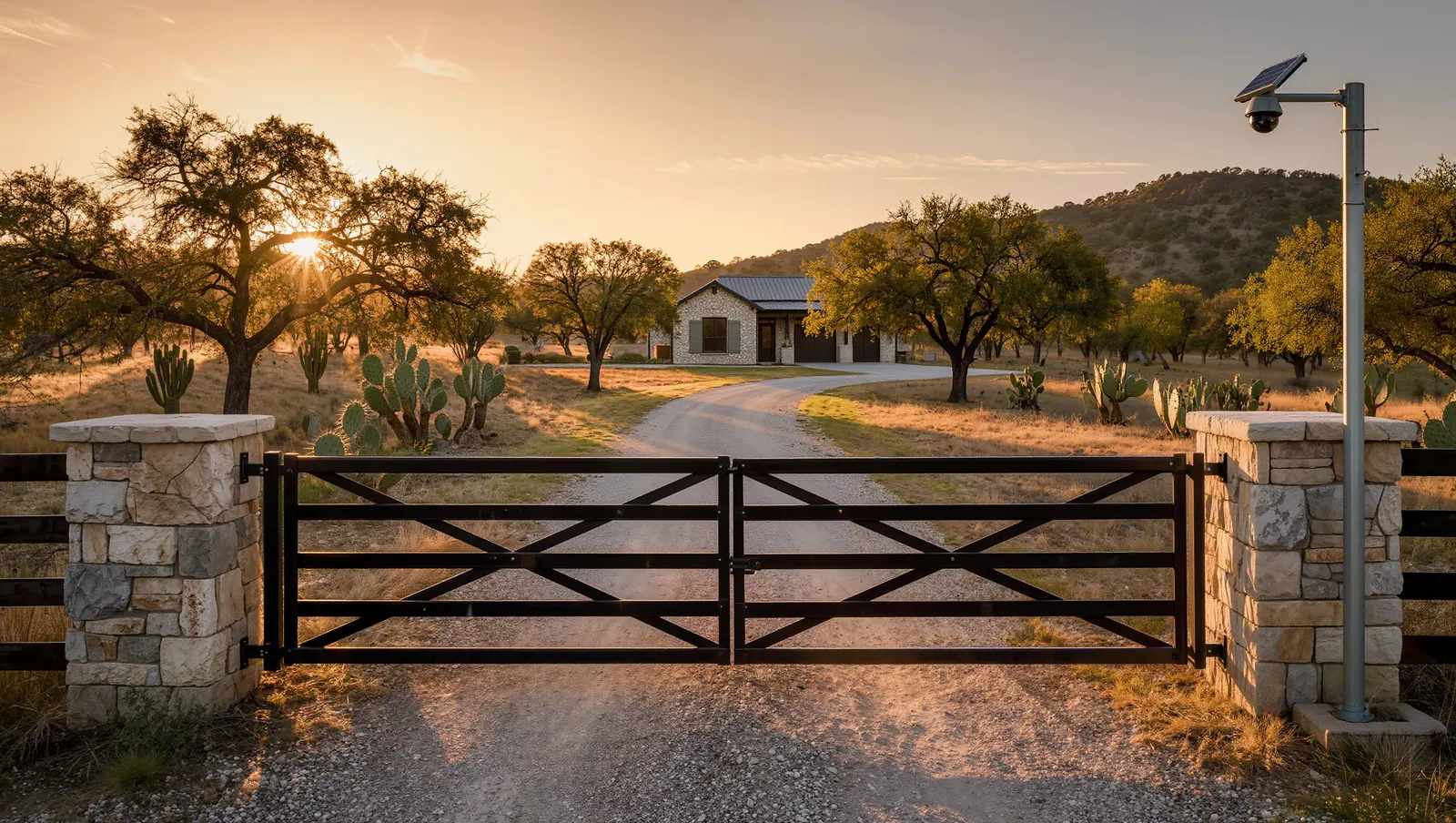
Beyond the city limits, properties get bigger and so do the things worth stealing. A welder, a trailer, a riding mower, and a shop full of tools can sit a long way from the house. We put contact sensors on shop doors, motion sensors inside outbuildings, and a camera on the gate, all tied to the same panel as the house.
Rural internet can be spotty, so the alarm reports over cellular and keeps working through an outage. Every signal goes to 24/7 alarm monitoring at a UL-listed central station, where an operator verifies the event and dispatches the right agency. On land that straddles a county line, we confirm that detail before the first alarm ever fires.
What Happens When You Call Us
We have been installing and monitoring systems around San Antonio since 2010, as a locally owned firm holding Texas DPS Private Security Bureau license B16898. Lytle is a straight run down I-35 from our base. A technician comes out, walks the property with you, checks any equipment already on the wall, and explains what a passerby can see.
You get a written plan, sized to your house and your budget, with no high-pressure close at the kitchen table. Already have a panel from an old provider? We can often bring it onto our monitoring. It all starts with a free security assessment.
Landmarks we know well
- Interstate 35
- Atascosa–Medina–Bexar county line