The Biggest Machine in the House Runs on a Guess
In San Antonio, the air conditioner is the hardest-working machine you own. In 2023 the city logged its 60th day of 100 degrees or hotter by late August, a new yearly record. Through all of that, plenty of homes asked their HVAC system to hold one number around the clock, whether anyone was there or not.
A thermostat is a small device making a big decision dozens of times a day. Most are still old dials or programmable units with a schedule someone set years ago. Neither knows whether the house is empty, whether a storm knocked the power out, or whether the upstairs bedroom has been 84 degrees since lunch.
A smart thermostat gives that decision better information. It knows when the house is armed away. It can read remote sensors in the rooms you actually use. And it tells you when something is wrong, which turns out to be the feature people value most once they have it, well ahead of the novelty of adjusting the bedroom from the grocery store.
Why the Old Programmable Thermostat Never Saved Much
Programmable thermostats were supposed to cut energy use by running a schedule. A presentation from the Department of Energy’s Better Buildings program summarized the research bluntly: many programmable thermostats aren’t running any program at all. People set the schedule once, got annoyed at being cold or warm at the wrong moment, and overrode it permanently.
The same review noted that connected thermostats don’t produce savings automatically either. They save when they’re used, which means the setup has to be easy enough that nobody fights it. That’s the argument for tying the thermostat to things you already do, like arming your alarm when you leave, instead of asking you to maintain a separate schedule.
We set it up that way on purpose. You leave, you arm the system from your touchscreen keypad or phone, and the house relaxes its temperature without another thought. You come home, disarm, and the cooling has already started because the routine noticed you were on your way. Nobody has to remember a schedule, which is the only kind of schedule that survives a household.
Setbacks, Heat Pumps, and the Ten Percent Promise
The Department of Energy’s guidance says you can save as much as 10 percent a year on heating and cooling by turning your thermostat back 7 to 10 degrees for eight hours a day from its normal setting. In summer, “back” means warmer. Letting the house drift up while everyone’s at work, then cooling it before you return, is where most of the savings come from here.
Treat that 10 percent as a ceiling, not a promise. Actual results depend on your home’s insulation, the age of your equipment, the size of your windows, and whether the setbacks actually happen. A house with someone home all day will see less. A house that sits empty from seven to six while two adults commute will see more of the benefit.
Heat pumps are a special case. The DOE warns that setting back a heat pump in heating mode without a thermostat designed for heat pumps can make it lean on its expensive backup heat, wiping out the savings. Plenty of Texas homes use heat pumps, so we confirm your system type and configure the thermostat for it.
Treat that 10 percent as a ceiling, not a promise.
A Thermostat That Watches the Weather for You
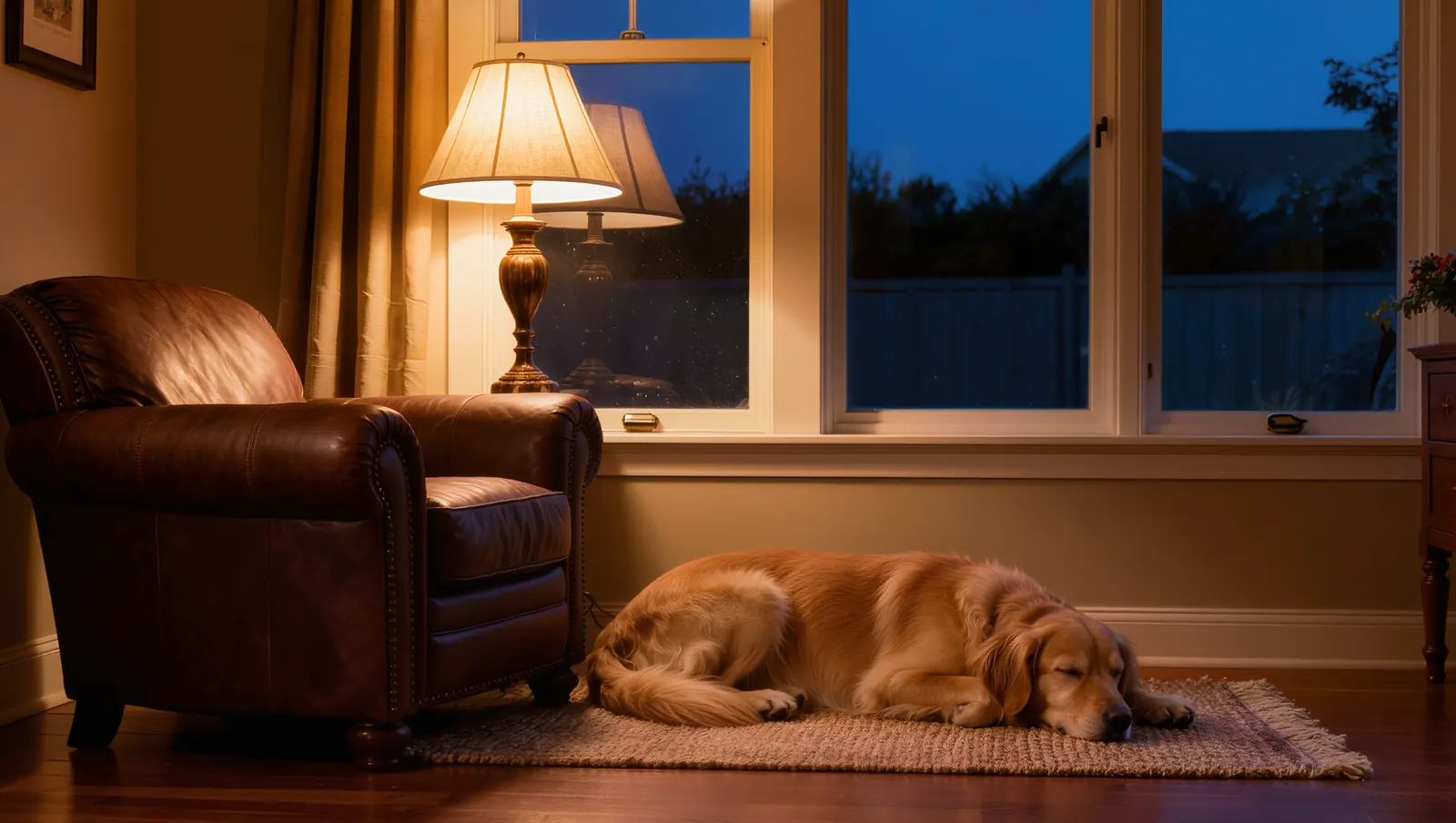
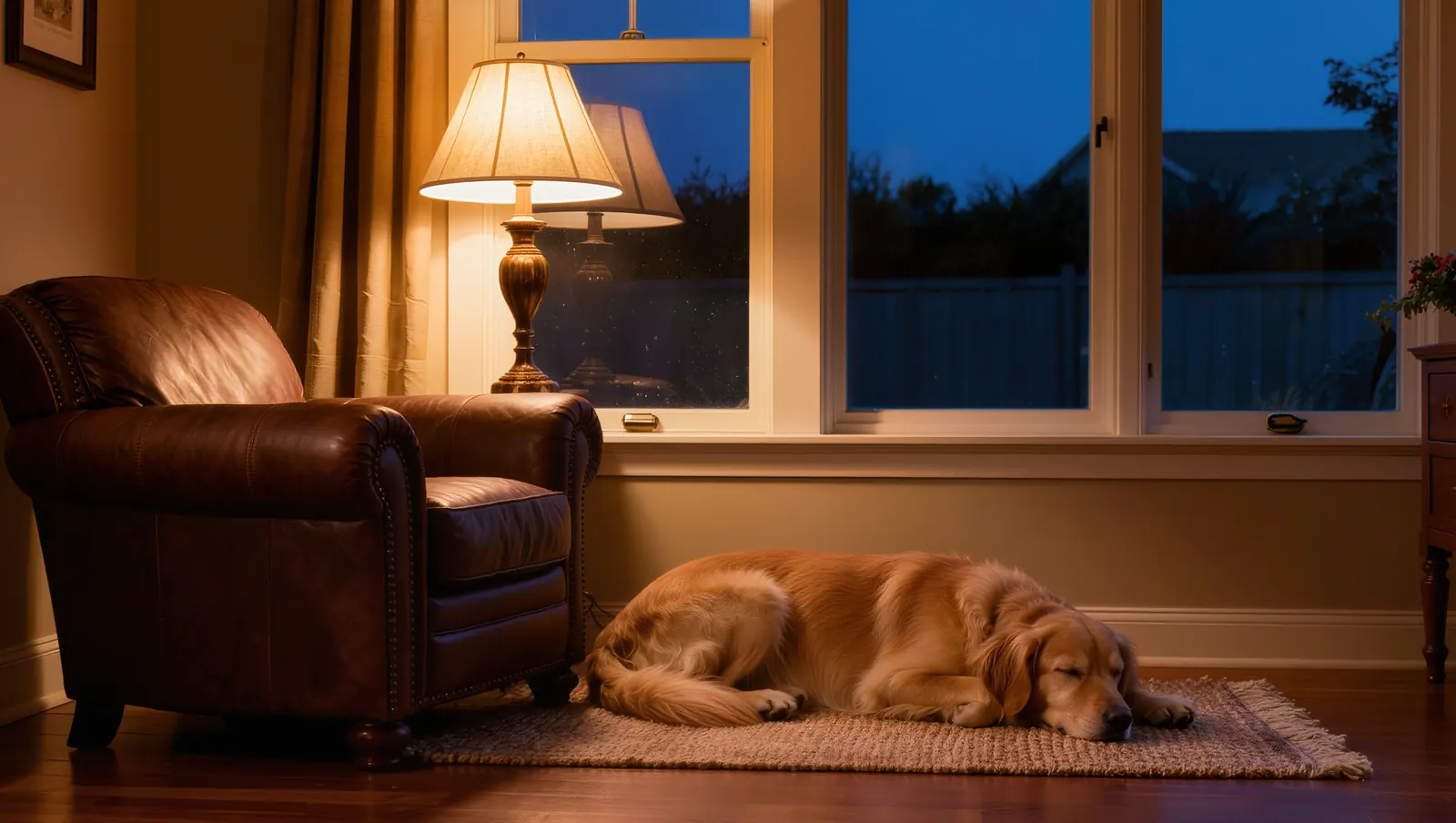
The most important thing a smart thermostat does may have nothing to do with savings. It can tell you when your house is in trouble. If the AC fails on a July afternoon with a dog home alone, you get an alert while there’s still time to act. If the heat quits in a freeze, you hear about it before the pipes do.
February 2021 made the point. San Antonio dropped to 9 degrees and spent days below freezing, and many homeowners came back from a warmer relative’s house to find burst pipes. Temperature alerts would not have restored the grid, but they would have told people their house had crossed the line from cold to damaging. Our article on winter storm lessons for freeze and water monitoring goes further.
Connected to a monitored panel, those temperature limits can become alarm signals that reach the central station, not just your phone. That’s part of our fire and environmental monitoring, and it matters most for second homes, rental properties, and the house of a parent who won’t mention that the furnace is acting up.
C-Wires, Heat Pumps, and Other Reasons Not to Do This on a Saturday
Smart thermostats need steady power, which usually comes from a common wire, or C-wire, between the thermostat and the HVAC equipment. Many older homes don’t have one at the thermostat. There are workarounds, some good and some that make the equipment behave strangely, and figuring out which applies to your system is half the job.
The other half is configuration. Two-stage cooling, heat pumps with auxiliary heat, dual-fuel systems, and zoned homes all need specific settings. Get them wrong and the thermostat works, sort of, while your system short-cycles or runs backup heat it doesn’t need. Larger homes, like many on big lots around Helotes, often have two or more systems that each need their own thermostat.
We check the wiring at the thermostat and at the air handler, confirm the system type, and configure it correctly. Then we connect it to your smart home automation so it follows your alarm and the rest of your routines. If something about your equipment worries us, like a failing capacitor or a clogged drain line, we’ll mention it rather than pretend we didn’t see it.
Ideal for
- Households that are empty most of the workday
- Pet owners who leave animals home during the day
- Owners of second homes and rental properties
- Families checking on an older parent’s home
- Homes with heat pumps or more than one HVAC system
- Anyone whose upstairs is always hotter than downstairs